Uber and Delivery Hero Expand into Quick Commerce
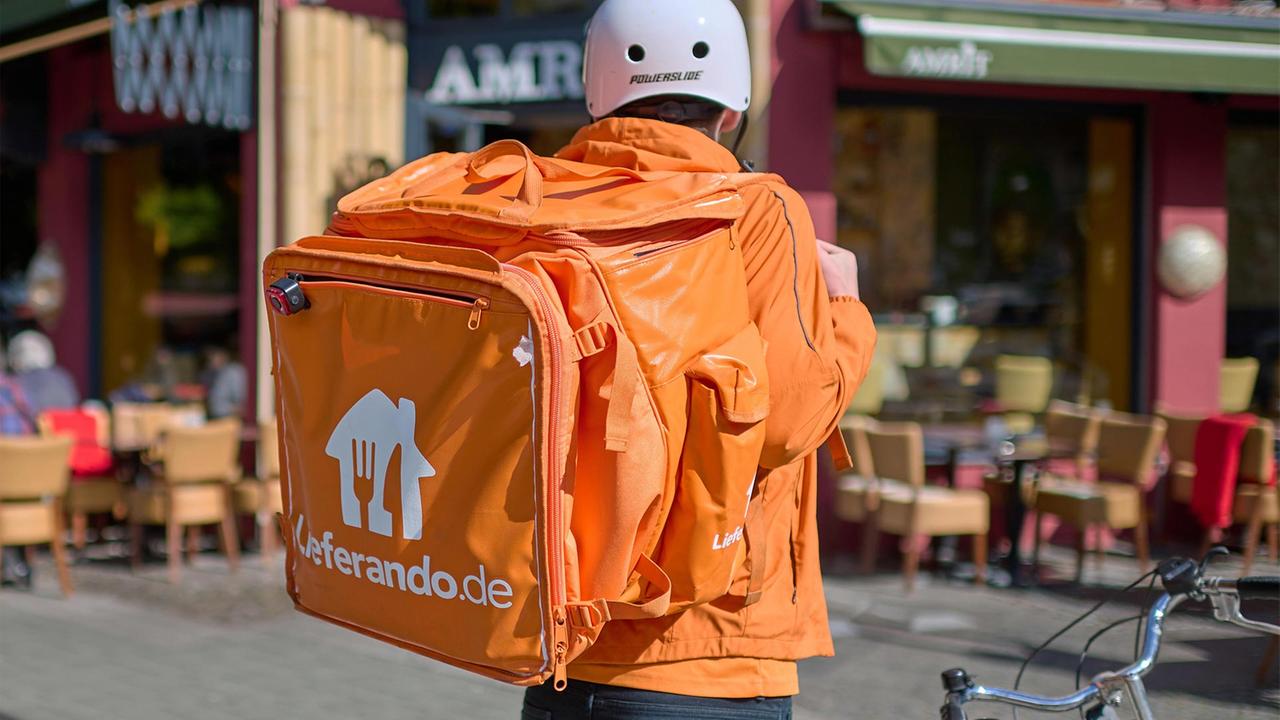
The market for delivery services is experiencing rapid growth, with companies like Uber and Delivery Hero increasingly focusing on quick commerce. This expansion signifies a shift beyond just food delivery, encompassing a broader range of goods. Customers can expect faster delivery times and potentially a wider selection of products available on demand. The strategic moves by major players like Uber and Delivery Hero suggest a competitive landscape where speed and convenience are paramount. The involvement of other significant entities, such as Amazon, could further intensify this market. This evolution in the delivery sector indicates a significant change in consumer habits and expectations regarding immediate access to goods and services. The quick commerce model aims to fulfill orders within minutes, transforming the traditional retail and logistics frameworks. This trend is reshaping urban logistics and consumer behavior alike.
The strategic pivot by delivery giants like Uber and Delivery Hero towards quick commerce reflects a response to evolving consumer demand for immediate gratification and a recognition of the logistical efficiencies achievable with dense urban delivery networks. This shift indicates a maturation of the food delivery market, prompting companies to seek new revenue streams and leverage existing infrastructure for broader retail fulfillment. The competitive dynamics suggest a race to capture market share by optimizing delivery speed and product variety, potentially leading to consolidation or new partnerships. As quick commerce scales, challenges related to profitability, labor conditions, and urban congestion will likely become more pronounced, requiring innovative solutions in supply chain management and sustainable business models.
AI-generated to prompt reflection — not editorial opinion, not advice, not a statement of fact. How this works.