Uber Seeks to Shape Self-Driving Regulations After Losing Race
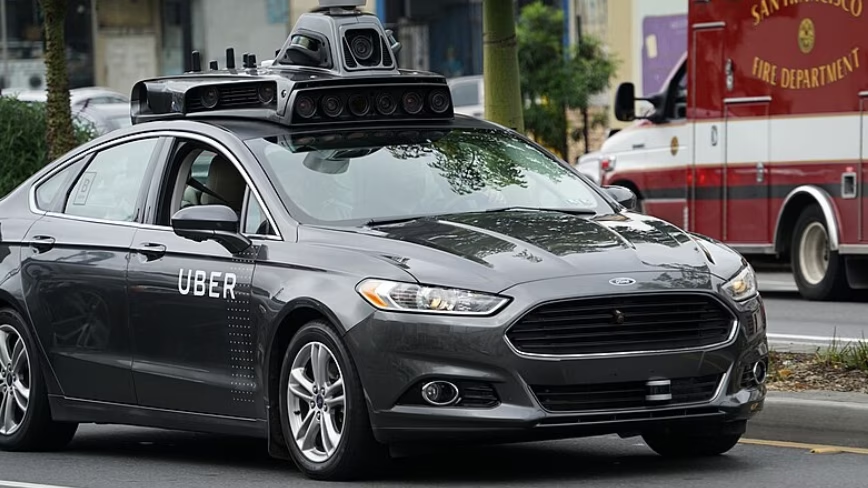
Uber has conceded it will not be the one to develop its own self-driving car technology. Instead, the ride-sharing giant is now focusing its efforts on influencing the regulatory landscape for autonomous vehicles. The company is actively lobbying in two U.S. states to enact laws that would mandate the integration of robotaxis onto the Uber platform. This strategic shift aims to leverage Uber's existing market dominance and extensive user base, even without proprietary autonomous driving technology. Uber's product chief has openly stated the company's intentions and rationale behind this lobbying push. The move suggests a new strategy where Uber seeks to control the "last mile" of autonomous vehicle deployment by dictating the terms of service and platform access for third-party robotaxi providers. This approach allows Uber to benefit from the rise of self-driving cars without bearing the immense research and development costs associated with creating the technology itself. The company's objective is to become the indispensable platform for autonomous mobility, regardless of who builds the vehicles.
Uber's pivot from developing its own autonomous vehicle technology to influencing regulatory frameworks reflects a common strategic adaptation in rapidly evolving technological sectors. By focusing on platform control and lobbying for favorable legislation, Uber aims to monetize its existing network effects and market position. This approach leverages its established user base and logistical infrastructure, potentially creating a "winner-take-most" dynamic in the future autonomous ride-hailing market. The company's strategy highlights the tension between technological innovation and market consolidation, where control over distribution and access can be as valuable as the core technology itself. This dynamic raises questions about market fairness and the potential for incumbent platforms to stifle competition by shaping the rules of engagement, particularly as autonomous vehicle deployment scales over the next decade.
AI-generated to prompt reflection — not editorial opinion, not advice, not a statement of fact. How this works.