Uberaba Residents Alarmed by Dense Smoke Drifting from São Paulo
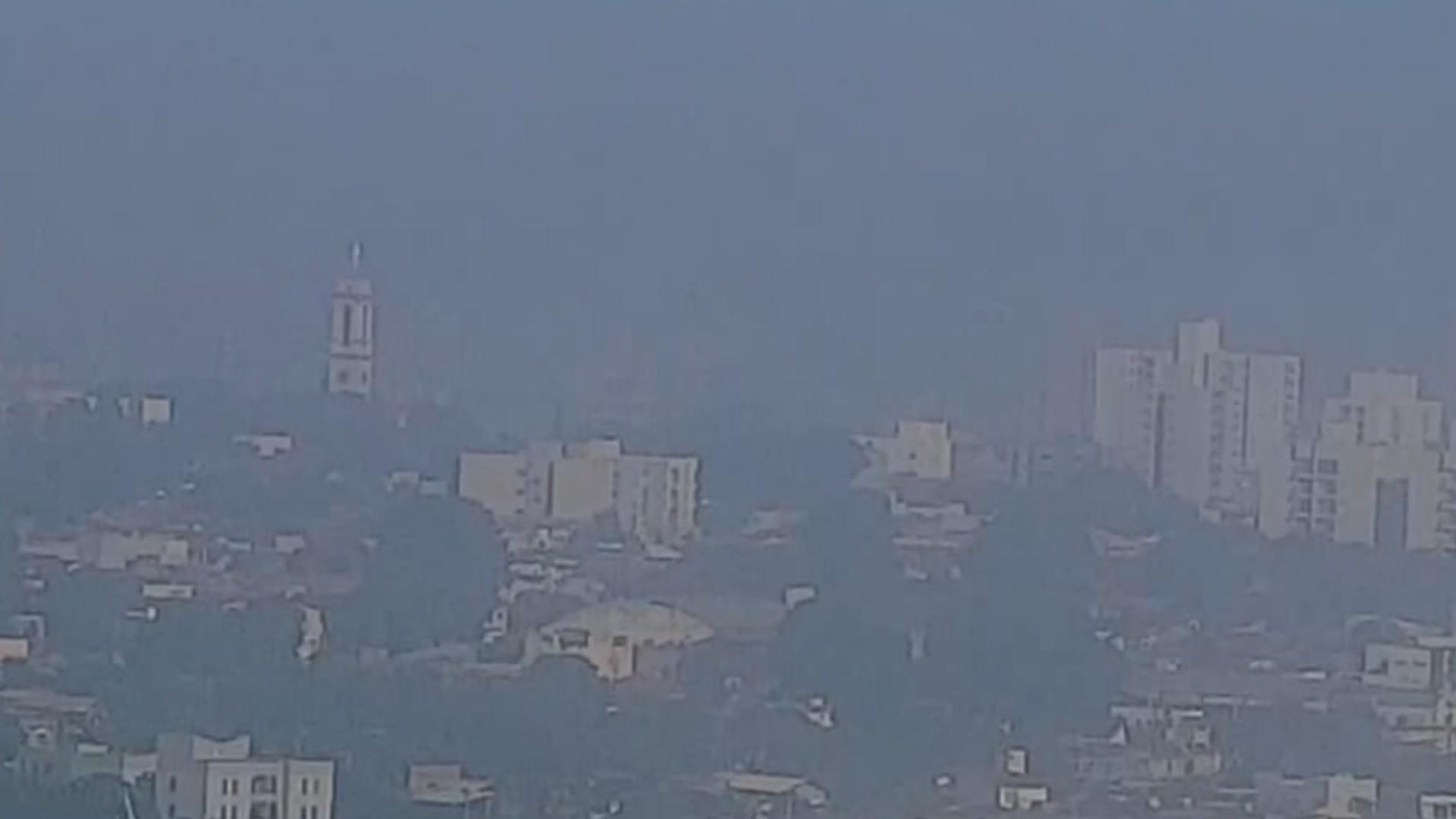
Uberaba, Brazil, experienced a dense smoke event on Thursday, September 9th, which caused alarm among residents due to a strong burning smell. Firefighters confirmed no significant fires within the city limits. Climatologist Alcione Wagner explained that prevailing winds transported the smoke from the interior of São Paulo state, where a fire likely occurred overnight. The smoke significantly impacted air quality, causing the index to drop from 'excellent' to 'good' according to the Federal University of Triângulo Mineiro's Air Quality Monitoring Observatory. Although still considered acceptable, this change led to discomfort and reported irritations among some residents. By the afternoon, atmospheric conditions shifted, causing the smoke to dissipate and air quality to improve. The event highlighted an unusual situation where a city was enveloped in smoke originating from a distant fire. The World Health Organization notes that ideal air humidity ranges between 50% and 80%, with levels below 30% being concerning. Low humidity can exacerbate respiratory issues like bronchitis and asthma. Civil Defense in Minas Gerais advises increased hand washing, consuming hydrating foods, ensuring hydration for vulnerable groups, using saline solutions for eyes and nose, avoiding strenuous outdoor activity between 10 am and 4 pm, and moisturizing the skin.
This event demonstrates the interconnectedness of environmental conditions across regions, where localized incidents like wildfires in one state can have tangible impacts on air quality and public health in neighboring areas. The reliance on wind patterns for smoke dispersal underscores the need for cross-state and potentially international cooperation on fire prevention and monitoring, especially as climate change may increase the frequency and intensity of such events. Public health advisories issued by Civil Defense highlight the importance of preparedness and individual mitigation strategies when air quality deteriorates. Future considerations should include enhanced early warning systems that can predict and communicate transboundary air pollution events, enabling proactive public health responses and potentially fostering collaborative land management practices to address the root causes of wildfires.
AI-generated to prompt reflection — not editorial opinion, not advice, not a statement of fact. How this works.