Uberaba's Electorate Grows Faster Than Population Ahead of 2026 Elections
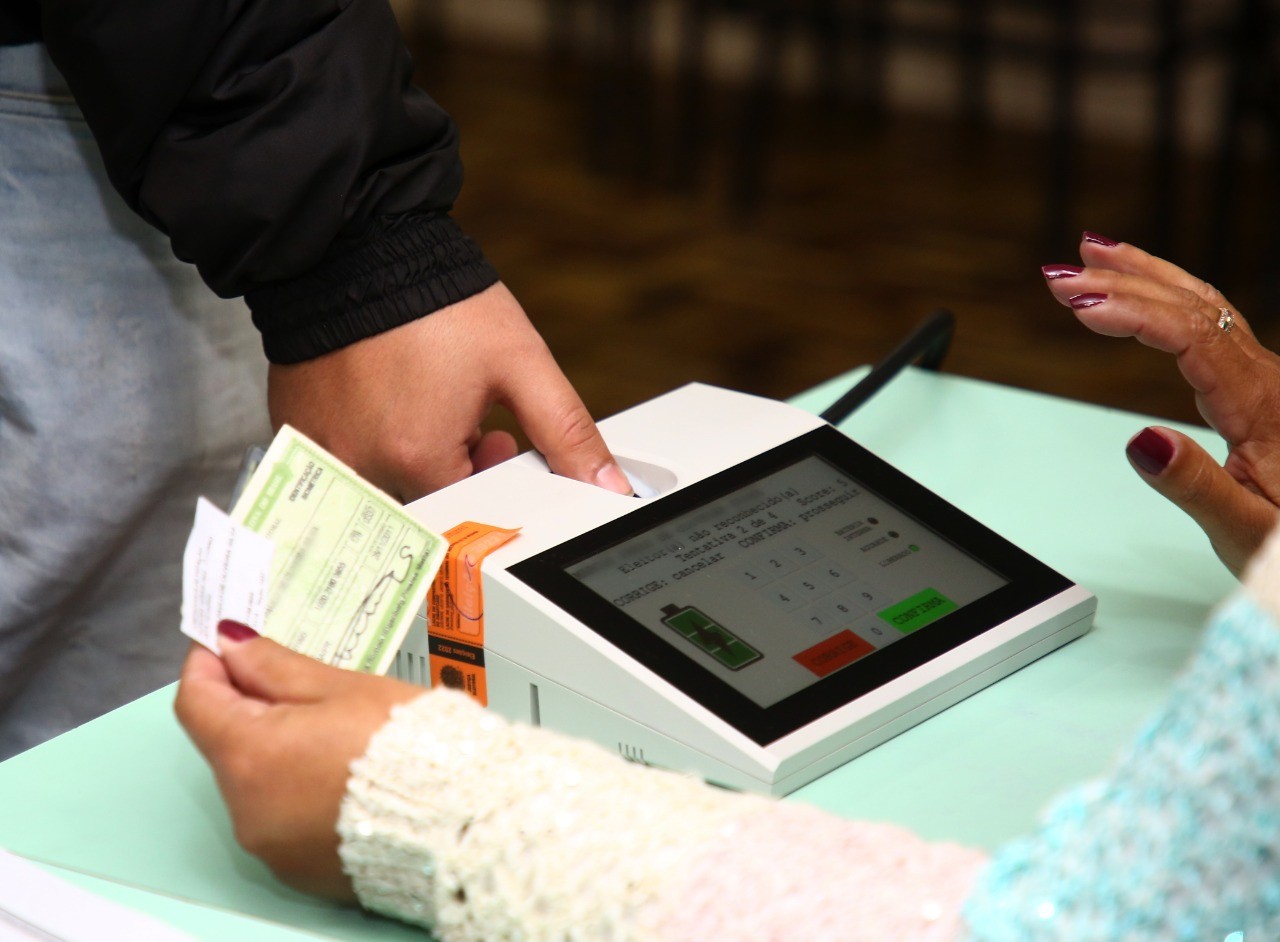
Uberaba, Brazil, is set to hold its largest elections in history in 2026, with 236,430 registered voters. This figure represents a significant increase from previous years, with the electorate growing at a rate faster than the city's overall population expansion. In 1989, Uberaba had 131,943 voters, constituting 47.8% of its population. By 2026, voters will make up 66.3% of an estimated 356,781 inhabitants, meaning nearly seven out of every ten residents are eligible to vote. The electorate has expanded by 79.2% since 1989, while the population has grown by 29.2% in the same period. Sociologist and political scientist Alecilda Oliveira attributes this growth to increased access to voter registration, including campaigns and biometric registration, which has formalized previously unregistered citizens and expanded access to electoral services and political citizenship. However, Oliveira cautions that formal registration does not automatically equate to active and conscious political participation. The growing electorate is also reshaping the city's political landscape, with a notable aging of the voter base, increased female participation, and a proportional decrease in younger voters. Professor Moacir de Freitas Júnior from the Federal University of Uberlândia notes that the characteristics of the electorate, rather than its sheer size, are more influential in shaping policy proposals and discussions on crucial issues like income, employment, and cost of living. The electoral operation for over 236,000 voters will involve 3 electoral zones and 89 polling stations, with the Escola Municipal Boa Vista serving the largest number of voters at 6,724.
The data indicates a significant demographic shift in Uberaba, where the registered electorate is expanding at a pace outstripping population growth. This trend, potentially driven by enhanced access to electoral registration and formalization processes, suggests a deepening of formal civic participation. However, the analysis rightly distinguishes between formal registration and active engagement, highlighting a potential disconnect. The aging voter base and changing gender participation dynamics present a complex electoral profile. Future policy considerations will likely need to address the evolving priorities and concerns of this demographic, potentially influencing local governance and resource allocation. Understanding the interplay between increased formal participation and actual civic engagement will be crucial for assessing the health of democratic processes in the coming decade.
AI-generated to prompt reflection — not editorial opinion, not advice, not a statement of fact. How this works.
