Uberlândia Airport Unveils New Terminal with Jet Bridges and Expanded Capacity
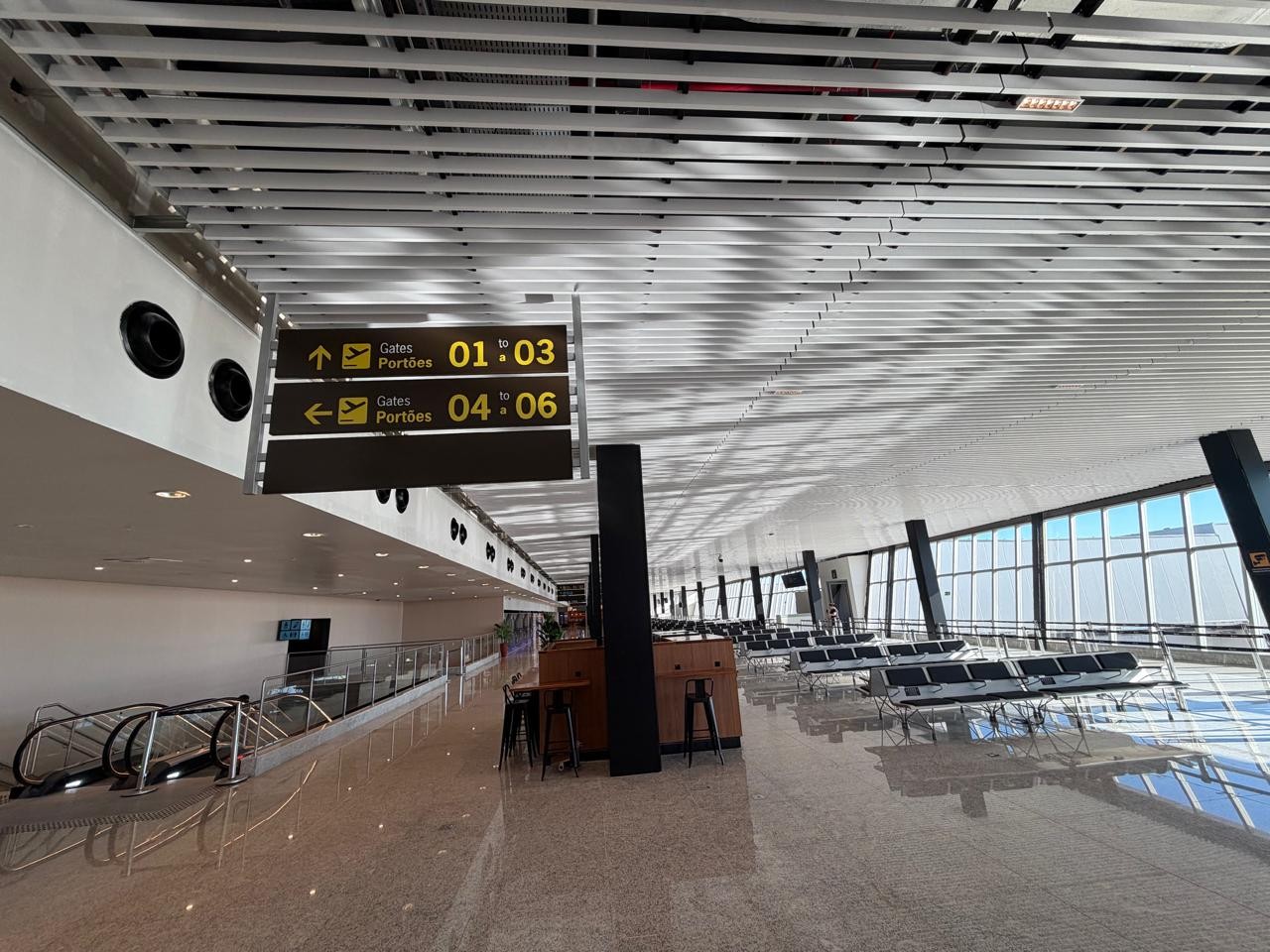
Uberlândia's Tenente-Coronel Aviador César Bombonato Airport will open its new passenger terminal to the public on July 7th. Located at Avenida Sideral, nº 463, in Jardim Ipanema, the facility is 82% larger than the previous one, significantly increasing the airport's annual capacity to 2.15 million passengers. During the inauguration for authorities and press on June 2nd, it was highlighted that approximately 70% of boarding and disembarking will utilize two jet bridges, known as "fingers," which connect directly to aircraft, eliminating the need for passengers to walk on the tarmac. The expansion and modernization project, announced in January 2025 by Aena Brasil, aims to accommodate growing flight demand, enhance passenger comfort, and facilitate an expanded flight network. Minister of Ports and Airports, Tomé Franca, emphasized that safety was a key consideration for placing the terminal on the opposite side of the current operations, anticipating further demand increases. The new terminal features two floors, approximately 500 parking spaces, 21 check-in positions, three baggage claim carousels, and six boarding gates. With 14.6 thousand square meters of built area, the terminal also includes an enlarged VIP lounge and a reconfigured Multissensorial Space designed for passengers with Autism Spectrum Disorder (TEA) and other neurodivergences. Mayor Paulo Sérgio announced plans for the city to invest R$ 30 million in the second half of 2026 to requalify Avenida Sideral, the main access road, including improvements to the drainage system, a bike lane, and runway expansion, as part of a strategy to pursue internationalization of the airport. Aena Brasil President, Santiago Yus, noted the economic impact of the expansion, benefiting various sectors including agriculture and healthcare.
The significant expansion of Uberlândia Airport, including the addition of jet bridges and a substantial increase in passenger capacity, reflects a strategic response to projected growth in air travel demand. This development is positioned to enhance regional connectivity and economic activity. The focus on passenger experience, including specialized facilities for neurodivergent individuals, aligns with evolving global airport standards. Furthermore, the city's proactive investment in infrastructure and the pursuit of internationalization suggest a long-term vision for the airport as a key economic driver. Future considerations may include optimizing the utilization of the former terminal and ensuring the new infrastructure can be sustainably managed to meet the dynamic demands of the aviation industry in the coming decade.
AI-generated to prompt reflection — not editorial opinion, not advice, not a statement of fact. How this works.