Uberlândia Better Wins Nearly R$300,000 for Matching Five Mega-Sena Numbers
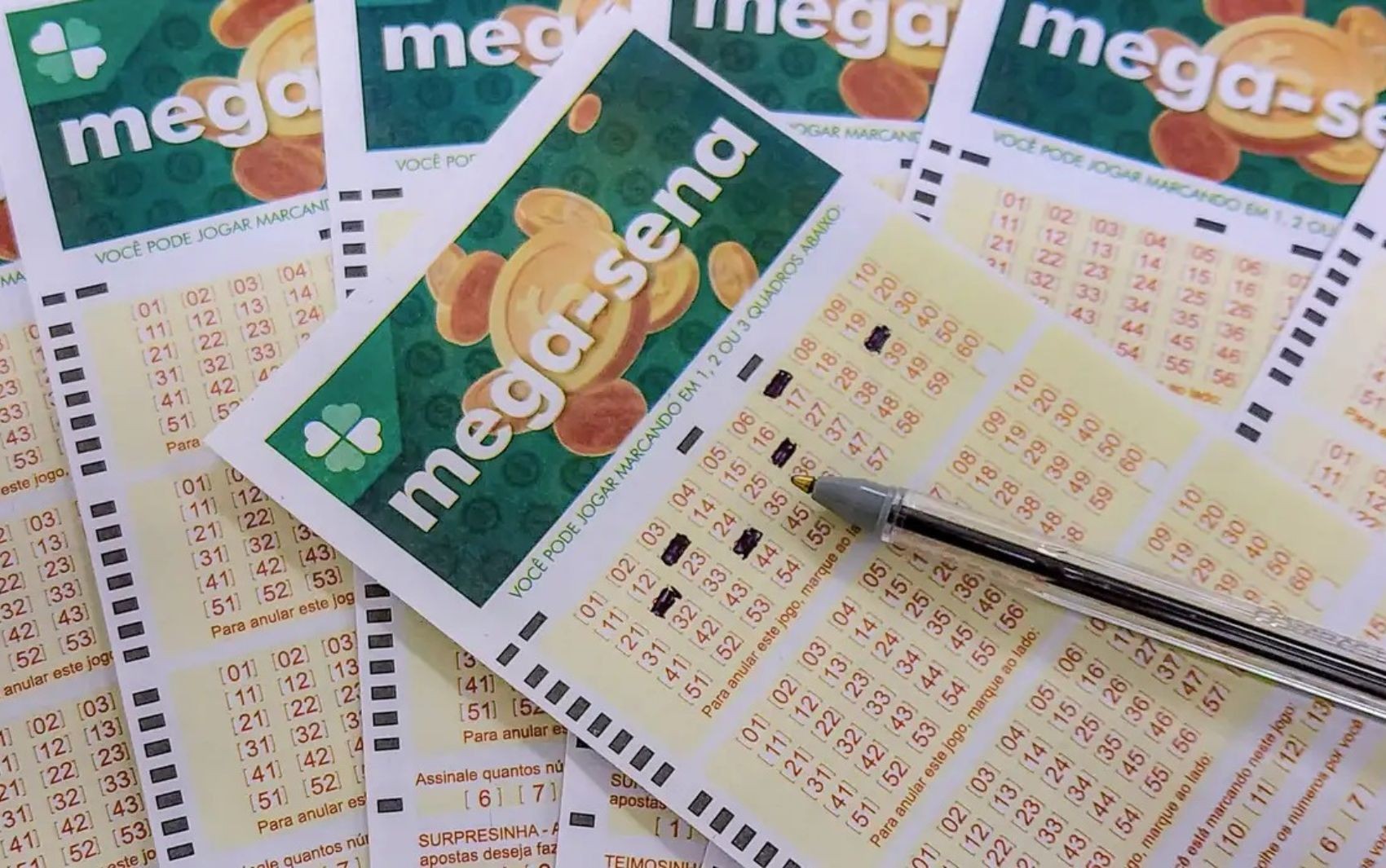
A single electronic bet placed in Uberlândia, Brazil, has secured a prize of R$229,661.40 after correctly matching five numbers in the Mega-Sena lottery's 3039th draw. The draw took place on Sunday, February 3rd, with the winning numbers being 21, 58, 53, 16, 14, and 39. According to Caixa Econômica Federal, the winner placed a simple bet selecting 10 numbers. In total, 85 individuals matched five numbers, sharing the prize pool. The Uberlândia bettor received the largest individual payout due to the specific betting strategy employed. Another bet from Sarzedo, Minas Gerais, also won over R$229,000, with a difference of only a few cents. Other winning bets included one for R$183,700, another for R$137,700, and six individuals each receiving R$91,800. The remaining 76 five-number match winners will each receive R$45,900. No participant managed to match all six numbers, causing the main jackpot to roll over to the next draw, which is now estimated at R$135 million. Mega-Sena draws occur three times a week, on Tuesdays, Thursdays, and Sundays.
This lottery outcome highlights the probabilistic nature of large-scale gambling and the significant financial impact of a single winning ticket. The distribution of prizes, even among those with five correct numbers, shows how bet complexity can influence payout amounts, creating disparities among winners. The accumulation of the main prize underscores the inherent incentive structure of lotteries, designed to build substantial jackpots that attract wider participation. From a systems perspective, the Mega-Sena operates as a form of voluntary taxation, channeling funds from a large number of participants to a smaller group of winners and potentially to public funds, while the state manages the operational and regulatory framework. The appeal lies in the low cost of entry for a chance at life-altering wealth, a powerful psychological draw that persists despite extremely low odds for the top prize.
AI-generated to prompt reflection — not editorial opinion, not advice, not a statement of fact. How this works.
