Uberlândia Hosts First Agrarian Reform Fair Focused on Family Farming
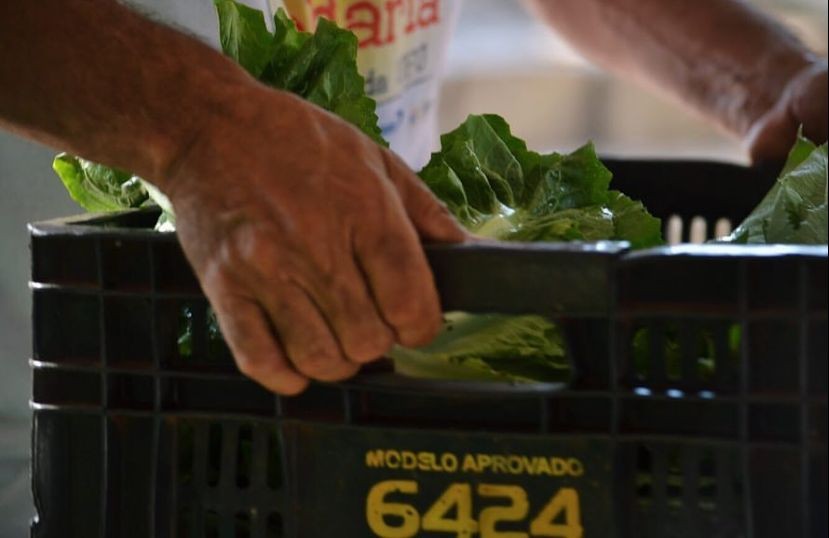
Uberlândia, Brazil, is hosting the first Lourival Soares Agrarian Reform Fair on July 3rd. The event, held at the Sintrasp Club in the Jardim das Palmeiras neighborhood, aims to showcase the agricultural production from local settlements and strengthen food production in the region. Organized by the Camponesa da Reforma Agrária Cooperative (Coopercampra) and the Popular Solidarity Economy Cooperative of Family Farming, Reforestation, and Agroecology (Coopersafra), the fair features a program dedicated to family farming. Attendees can participate in documentation drives for rural workers, including assistance with obtaining the Family Farming Registry (CAF), Rural Environmental Registry (CAR), and the Family Farming Seal, services provided by the Ministry of Agrarian Development and Family Farming (MDA). The fair will also include food donations from settlements to social entities, discussion circles, and an exhibition of products from family farms and quilombola communities. This inaugural fair honors Lourival Soares, an advocate for agrarian reform, and commemorates 40 years of efforts against hunger and poverty by families in the region. Additionally, Federal Deputy Dandara Tonantzin will present a parliamentary amendment of R$250,000 to the Camponesa da Reforma Agrária Production Association (Acampra) through the Food Acquisition Program (PAA). The fair is open to the public and begins at 9 AM.
This event highlights the ongoing efforts to support and formalize family farming initiatives within Brazil's agrarian reform framework. The fair serves as a crucial platform for knowledge exchange, resource access, and market visibility for smallholder farmers and rural communities. By providing access to official registries and funding mechanisms like the Food Acquisition Program, it addresses systemic challenges related to land tenure, bureaucratic hurdles, and economic viability. The inclusion of quilombola communities and the emphasis on agroecological production suggest a broader commitment to social equity and sustainable agricultural practices. Looking ahead, the success of such initiatives will depend on sustained policy support, investment in rural infrastructure, and the integration of these small-scale producers into larger value chains, ensuring their resilience in the face of evolving agricultural technologies and market demands.
AI-generated to prompt reflection — not editorial opinion, not advice, not a statement of fact. How this works.