Uberlândia launches rabies vaccination campaign for pets in rural and urban areas
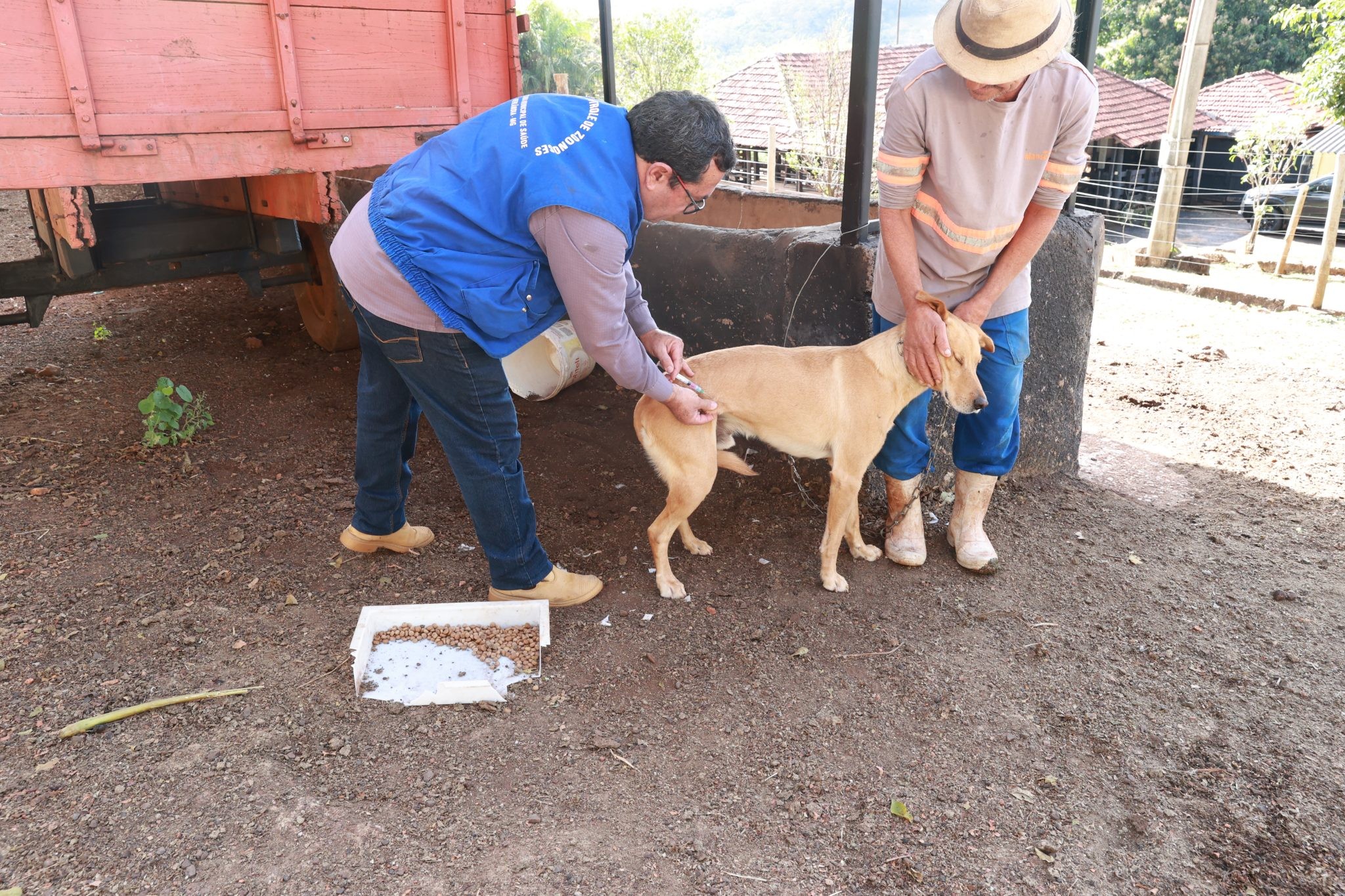
Uberlândia, Brazil, has commenced its 42nd annual rabies vaccination campaign for dogs and cats, beginning with the rural sector on Monday, July 13th. This rural phase will continue until August 14th, with vaccination points established in various rural communities. The campaign aims to protect pets and the human population from rabies, a serious and potentially fatal viral disease. Following the rural outreach, the urban vaccination phase is scheduled from August 22nd to August 29th. This initiative is spearheaded by the Municipal Health Secretariat's (SMS) Rabies Control Program. The campaign's urgency is underscored by eight confirmed cases of rabies in bats identified in Uberlândia this year. The vaccine is provided free of charge. Eligible animals include dogs and cats over three months old that are in good health. Owners are advised to postpone vaccination for sick animals, those recovering from surgery, or animals with existing health conditions, and to consult their veterinarian for guidance. Special transport and handling instructions are provided for pet owners to ensure safety during vaccination, including the use of leashes for dogs, muzzles for aggressive dogs, and secure carriers for cats. Children are not recommended to bring animals to the vaccination sites, and owners must remain present throughout the process. The rural phase involves eight teams covering farms, ranches, and rural districts, aiming for comprehensive coverage. The urban phase will utilize fixed and mobile vaccination posts across city neighborhoods. The Municipal Health Secretariat has also collected 406 bats for laboratory diagnosis, confirming the active circulation of a bat-transmitted rabies variant within Uberlândia. Residents are urged to keep their pets vaccinated, avoid contact with bats, and seek immediate medical attention if exposed to a suspected rabid animal.
The rabies vaccination campaign in Uberlândia addresses a critical public health concern, particularly given the confirmed circulation of a bat-transmitted rabies variant. The initiative's multi-phase approach, covering both rural and urban areas, demonstrates a systematic effort to achieve widespread immunity among the pet population, thereby mitigating zoonotic transmission risks. The program's reliance on free, accessible vaccination highlights a public health strategy prioritizing disease prevention over costly treatment. The emphasis on responsible pet ownership, including proper animal handling and prompt medical attention for potential exposures, reinforces a community-wide approach to disease control. Future public health planning may consider integrating broader ecological monitoring of wildlife reservoirs to proactively identify and manage emerging infectious disease threats, thereby enhancing resilience against potential outbreaks.
AI-generated to prompt reflection — not editorial opinion, not advice, not a statement of fact. How this works.