Uberlândia to Build Over 600 Public Housing Units Under Minha Casa, Minha Vida Program
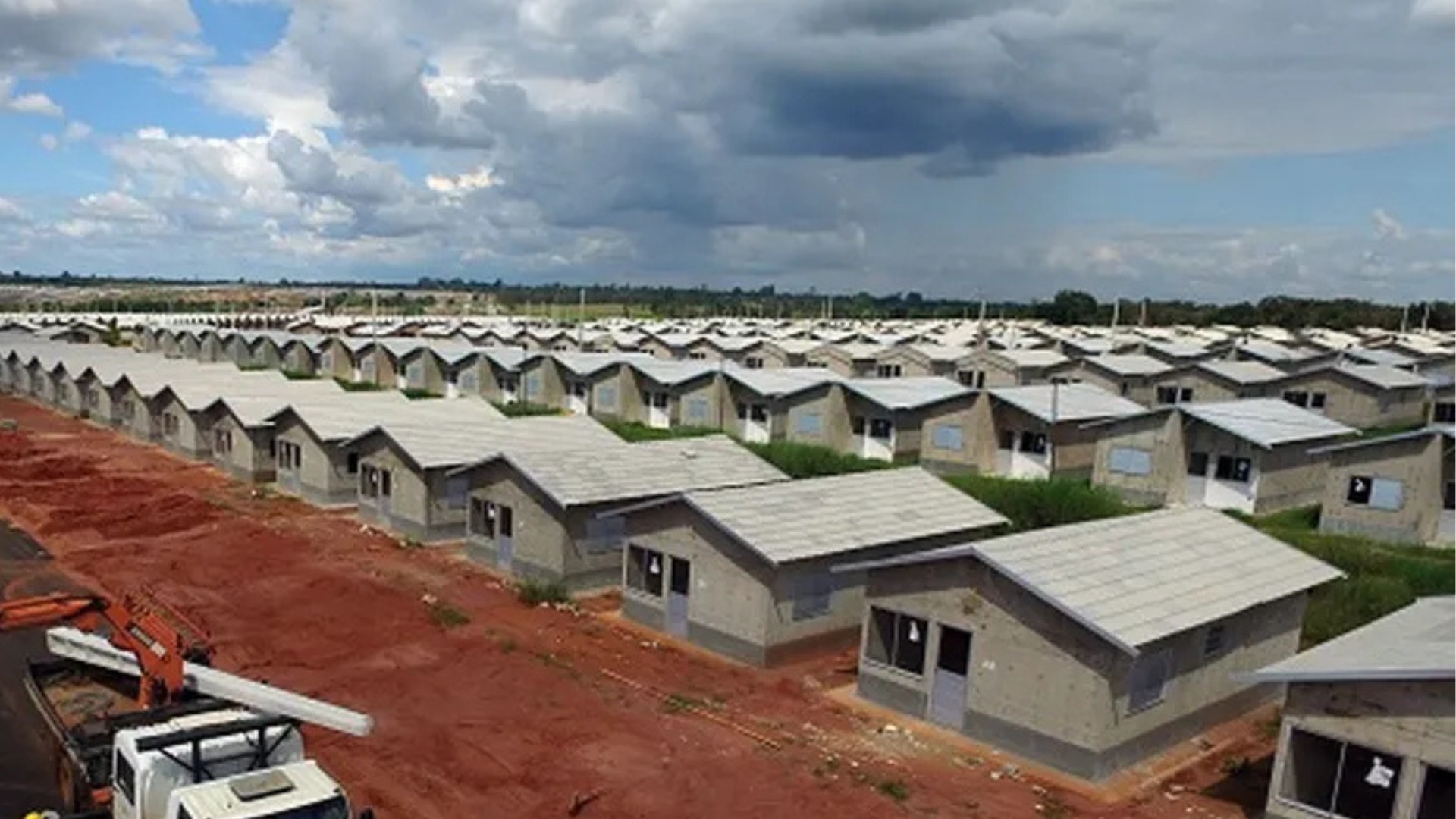
The city of Uberlândia will construct 622 new public housing units through the "Minha Casa, Minha Vida" (My House, My Life) program, specifically within its Urban Phase 1. These homes will be built across seven different neighborhoods and divided into two project lots, following a public notice issued by the City Hall on Monday, May 13th. The notice aims to select construction companies for these developments. The designated neighborhoods for these housing units are Residencial Aclimação, Bosque dos Buritis, Paradiso, Jardim América, Monte Hebron, Jardim Brasília III, and Luizote de Freitas III. The first lot will comprise 258 houses, with the second lot containing 364 units.
The land designated for these constructions is owned by the municipality and will be donated to the Residential Lease Fund (FAR), which is responsible for financing the projects under the federal government's program. The City Hall will not incur any direct financial costs for the construction itself. Each housing unit is capped at R$ 161,000, a value set by the Ministry of Cities for municipalities like Uberlândia, leading to a maximum projected investment of R$ 100.1 million. This total is split into R$ 41.5 million for the first lot and R$ 58.6 million for the second. The houses will be single-story, ranging from 40 to 70 square meters, adhering to federal program standards. The selected construction company will also manage project design, licensing, internal infrastructure, and regulatory compliance with relevant authorities and Caixa Econômica Federal.
This initiative leverages a federal housing program to address urban housing needs in Uberlândia, utilizing municipal land and private sector construction expertise. The selection process, emphasizing project quality and company experience over mere low cost, suggests a focus on long-term value and resident satisfaction. This approach aims to mitigate risks associated with rapid, low-quality construction often seen in large-scale affordable housing projects. The program's structure, with federal funding and municipal land donation, represents a collaborative model for public infrastructure development, potentially scalable to other cities facing similar housing deficits. Future evaluations could assess the long-term sustainability of these developments, including maintenance, community integration, and the program's impact on local housing market dynamics over the next decade.
AI-generated to prompt reflection — not editorial opinion, not advice, not a statement of fact. How this works.