UCF Researchers Develop Technology for Habitable Planet Detection
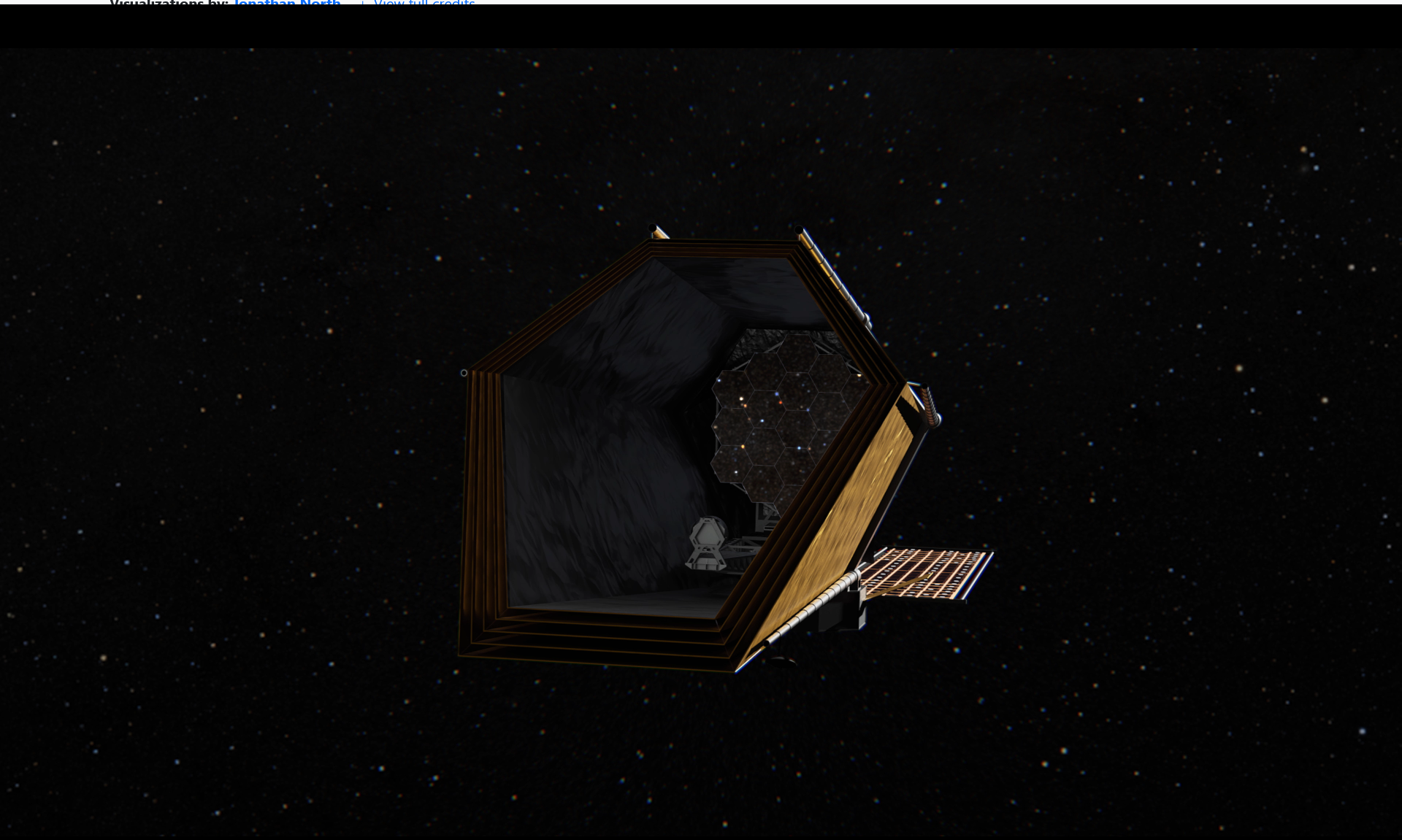
Researchers at the University of Central Florida (UCF) are developing advanced technology designed to aid in the search for habitable planets beyond our solar system. This initiative is part of the Photonics-Enabled Exoplanet Spectroscopic System (PEESS) program. The technology aims to enhance the capabilities of NASA's forthcoming Habitable World's Observatory (HWO). The HWO is a major space telescope mission planned by NASA. Its primary objective is to directly image and characterize exoplanets, focusing on those within the habitable zones of their stars. The PEEPSS program's contribution will be crucial in refining the observational tools and data analysis techniques needed for this ambitious scientific endeavor. By improving spectroscopic capabilities, the UCF team's work could significantly increase the chances of identifying planets that possess conditions suitable for life. This development represents a critical step forward in the ongoing quest to understand our place in the universe and discover other potentially life-supporting worlds.
The development of advanced spectroscopic tools for exoplanet detection aligns with the accelerating global investment in space-based scientific observation. As the cost of space missions decreases and technological capabilities expand, the capacity for detailed planetary characterization will become a key differentiator for space agencies and research institutions. This initiative by UCF, in collaboration with NASA's HWO, highlights a strategic approach to leverage specialized research for large-scale governmental projects. The long-term implications involve not only the potential discovery of extraterrestrial life but also the advancement of optical and photonics technologies, which have broad applications across various industries. Future efforts will likely focus on miniaturization, cost reduction, and enhanced data processing to democratize access to such sophisticated observational power.
AI-generated to prompt reflection — not editorial opinion, not advice, not a statement of fact. How this works.