UCLA Study Reveals Vulnerability in Aggressive Cancers, Offering Hope for New Treatments
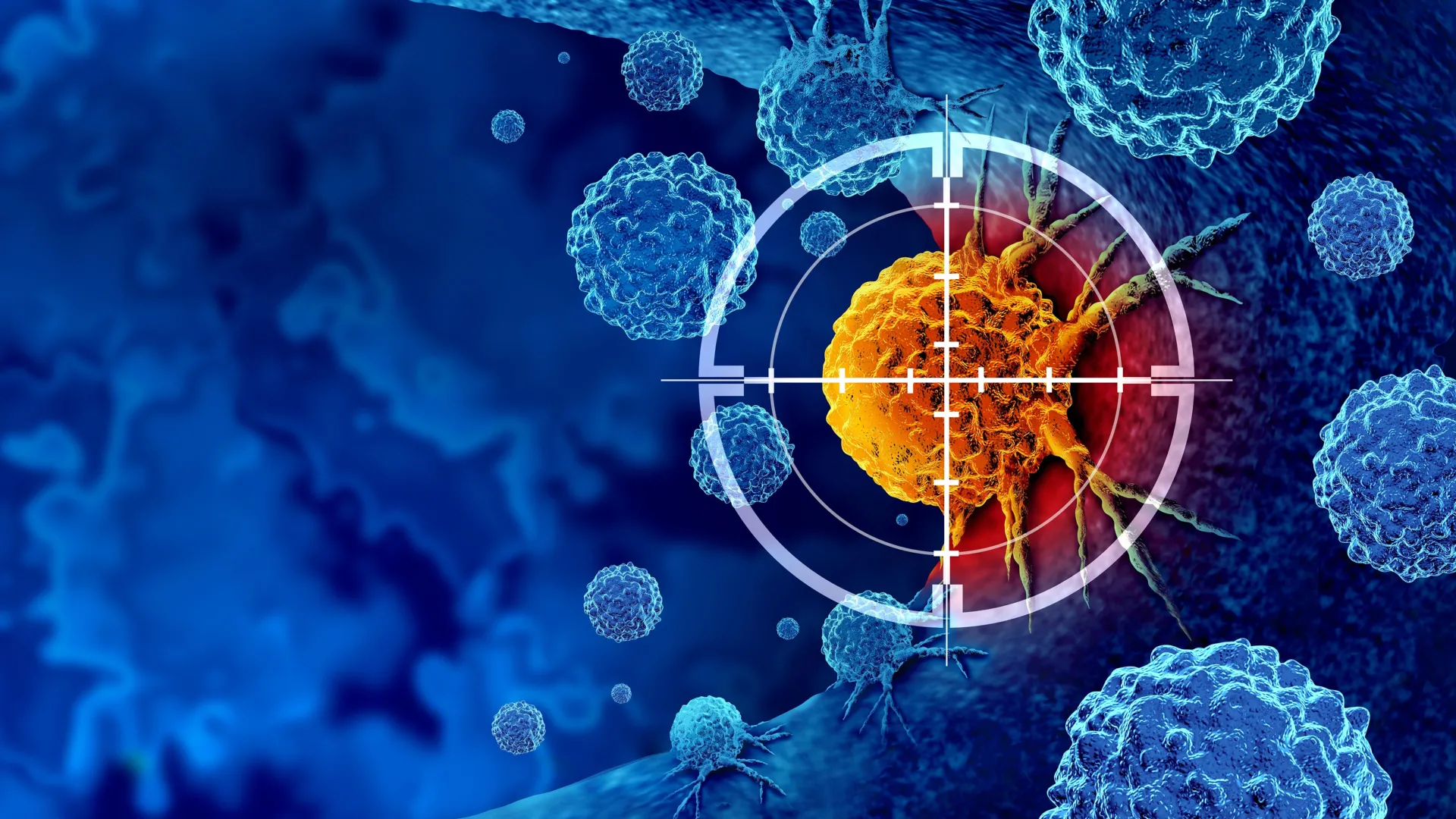
Scientists at UCLA have uncovered a significant weakness in aggressive small cell cancers, a type of tumor that has proven resistant to treatment advancements for many years. Their research, published recently, identified that tumors which lack the RB gene become entirely reliant on a specific protein, E2F3, for their continued survival. The study demonstrated that inhibiting E2F3 effectively halted tumor growth in laboratory settings. Encouragingly, the researchers noted that existing drugs already approved by the U.S. Food and Drug Administration (FDA) could potentially be repurposed to target and exploit this newfound vulnerability. This breakthrough discovery holds the promise of accelerating the development of more potent and effective therapeutic strategies for patients battling these difficult-to-treat cancers.
This research highlights a critical dependency within certain cancer cells, identified through genetic analysis of RB gene deficiency. By pinpointing the E2F3 protein as a key survival factor for these tumors, the study offers a potential therapeutic target. The prospect of utilizing existing FDA-approved drugs suggests a potentially accelerated pathway for clinical application, bypassing some of the lengthy development timelines typically associated with novel drug discovery. Future research will likely focus on the efficacy and safety of repurposing these drugs in human trials, as well as exploring the broader applicability of this vulnerability across different cancer types and genetic profiles. Understanding these specific molecular dependencies is crucial for developing more precise and less toxic cancer therapies in the evolving landscape of precision medicine.
AI-generated to prompt reflection — not editorial opinion, not advice, not a statement of fact. How this works.