Udelar Study Reveals Chronic Contamination in Montevideo Aquifers
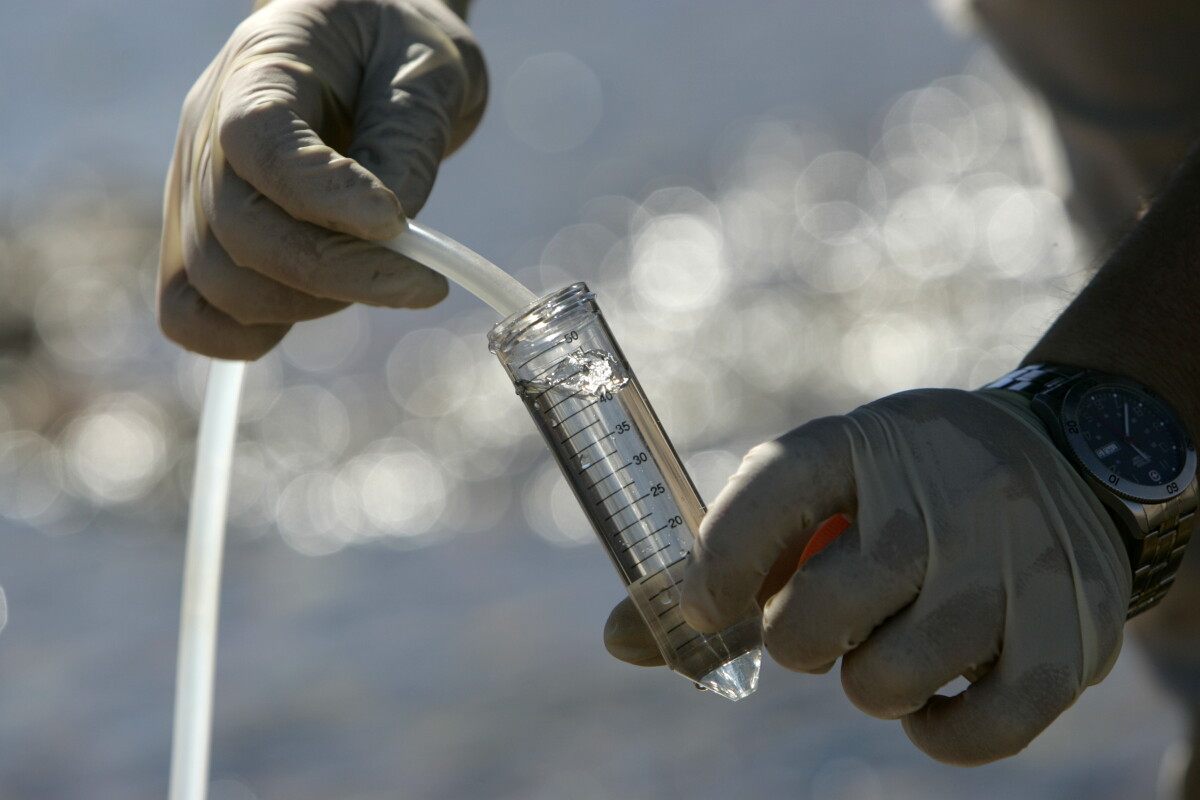
A study conducted by the University of the Republic (Udelar) has identified 'chronic contamination' within the aquifers supplying Montevideo. Researchers believe that the recovery of these water sources is still achievable. However, they emphasize that addressing the sources of pollution is a necessary prerequisite before the water can be considered safe for human consumption. The study highlights the ongoing nature of the contamination, suggesting it is not a recent or isolated incident. The findings underscore the urgency of implementing remediation strategies to protect this vital resource. Without intervention, the long-term usability of Montevideo's aquifers for drinking water remains uncertain. The research team is focused on identifying the specific pollutants and their origins to guide future actions. This discovery raises significant concerns about water quality and public health in the region.
This study from Udelar brings to light a critical environmental challenge facing Montevideo's water supply. The identification of 'chronic contamination' in its aquifers suggests systemic issues in waste management, industrial discharge, or agricultural runoff that have persisted over time. While recovery is deemed possible, the emphasis on addressing pollution sources before human consumption points to a fundamental tension between immediate resource needs and long-term environmental health. Future policy decisions will likely involve balancing the costs and effectiveness of remediation technologies against the potential risks of continued contamination. The situation serves as a case study for urban water resource management in the face of persistent environmental pressures, particularly relevant as climate change and population growth may exacerbate water scarcity and pollution challenges in the coming decade.
AI-generated to prompt reflection — not editorial opinion, not advice, not a statement of fact. How this works.