UEFA and Infantino in Power Struggle: "Trust Lost"
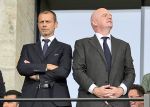
European football federations are maintaining pressure on FIFA President Gianni Infantino, stating "We cannot continue like this." The German Football Association (DFB) has called for a "fundamentally different culture" within FIFA. This sentiment is echoed by the Austrian Football Association (ÖFB) President, Gerhard Pröll, who also expressed dissatisfaction. The core of the dispute appears to be a loss of trust between UEFA and Infantino. European football leaders are concerned about the direction FIFA is taking under Infantino's leadership. They are demanding significant changes in governance and operational practices. The DFB's call for a new culture suggests a deep-seated issue with FIFA's current approach. The unified stance from major European football bodies indicates a serious challenge to Infantino's authority and FIFA's internal dynamics. The situation highlights ongoing tensions regarding the balance of power between continental confederations and the global governing body.
The reported power struggle between UEFA and FIFA President Gianni Infantino signifies a critical juncture for global football governance. The "loss of trust" cited by European federations suggests a divergence in strategic vision and operational ethics, potentially stemming from FIFA's recent governance reforms and the allocation of resources. UEFA's concerns may reflect anxieties about the centralization of power within FIFA and its impact on continental confederations' autonomy and revenue streams. The DFB's call for a "fundamentally different culture" points to systemic issues within FIFA, possibly related to transparency, accountability, or decision-making processes that European stakeholders deem unsustainable. As football navigates the evolving landscape of global sports, influenced by digital transformation and increasing commercial pressures, the resolution of this conflict will shape FIFA's ability to foster equitable development and maintain stakeholder confidence over the next decade.
AI-generated to prompt reflection — not editorial opinion, not advice, not a statement of fact. How this works.