UEFA Leaders Reportedly Plotting to Oust FIFA President Infantino Over Balogun Decision
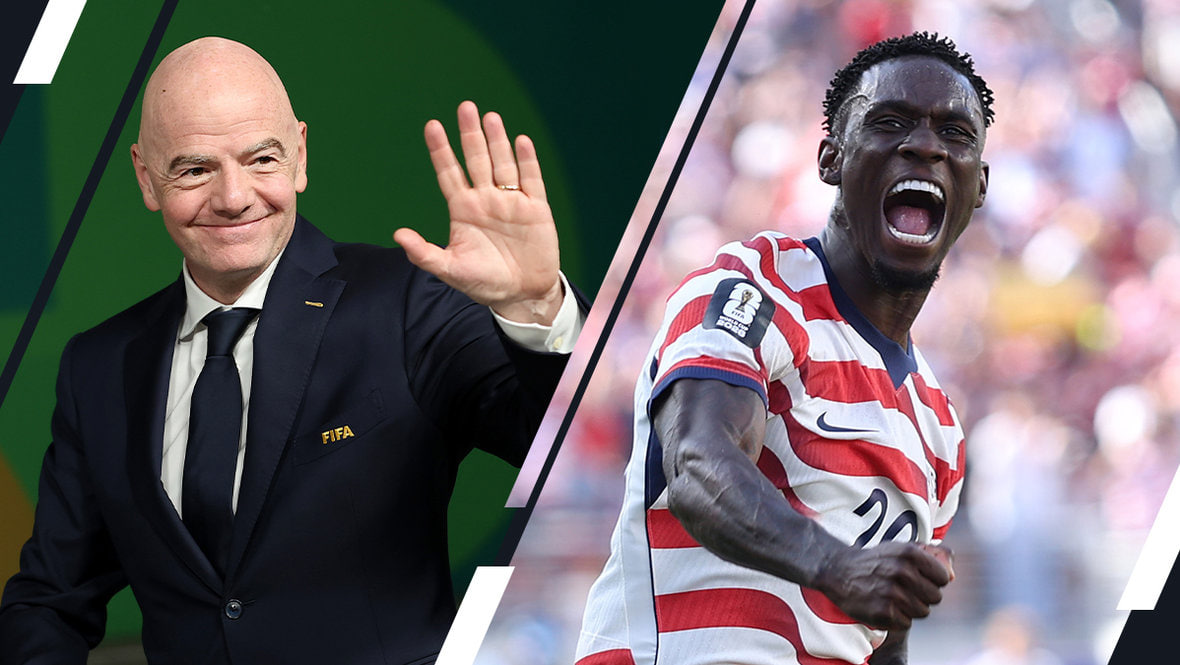
Football officials across all continents are reportedly expressing dissatisfaction with FIFA President Gianni Infantino following the decision to forgive a player. This move has apparently crossed a 'red line' for many, leading to discussions and potential actions aimed at removing Infantino from his position. The discontent stems from a specific decision regarding a player named Balogun, which has been perceived as a significant misstep by FIFA leadership. UEFA, in particular, is said to be spearheading efforts to challenge Infantino's authority. The situation highlights a deep rift within global football governance, with key stakeholders questioning the integrity and decision-making processes under Infantino's tenure. The reported actions suggest a serious internal power struggle within the sport's highest echelons. The specific details of the Balogun case and the exact nature of the 'forgiveness' have not been fully elaborated, but the reaction indicates it touches upon fundamental principles of fairness and regulation within football.
The reported discontent within football's governing bodies over a specific player decision suggests a potential clash between FIFA's centralized authority and regional confederations like UEFA. Such disputes often arise from differing interpretations of regulations, perceived biases, or concerns over the integrity of sporting decisions. The leverage of confederations in challenging a FIFA president typically depends on their collective voting power and ability to rally support from other continental federations. This situation could reflect underlying tensions regarding the distribution of power, financial resources, and strategic direction within global football, particularly as the sport navigates increasing commercialization and evolving geopolitical landscapes. The outcome may influence future governance structures and the balance of power between FIFA and its member confederations.
AI-generated to prompt reflection — not editorial opinion, not advice, not a statement of fact. How this works.