UEFA's World Cup Boycott: Europe Demonstrates Hard Power
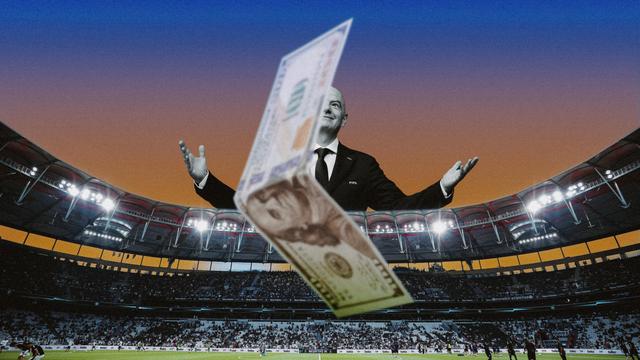
Football requires protection, particularly from its highest representative, Gianni Infantino. The Union of European Football Associations (UEFA) is taking a leading role in this endeavor. This stance suggests a significant internal conflict within the sport's governance. The article implies that UEFA's actions are a demonstration of "hard power" by European entities. The core issue appears to be a perceived need to safeguard the integrity of football from its leadership. UEFA's proactive approach is highlighted as a positive step in this protective mission. This situation points to a potential power struggle and differing visions for the future of international football governance.
The assertion of "hard power" by UEFA suggests a strategic move to assert influence within international football governance, potentially in response to perceived misalignments with FIFA's direction under Gianni Infantino. This dynamic highlights the inherent tension between continental confederations and global governing bodies. Such power plays often stem from differing economic interests, political priorities, and visions for the sport's development. Looking ahead, the increasing fragmentation of global sports governance could lead to more frequent clashes, requiring robust frameworks for dispute resolution and a clear delineation of responsibilities to ensure the sport's long-term stability and equitable growth.
AI-generated to prompt reflection — not editorial opinion, not advice, not a statement of fact. How this works.