UEFA Threatens World Cup Boycott Over FIFA's Private Investor Plan
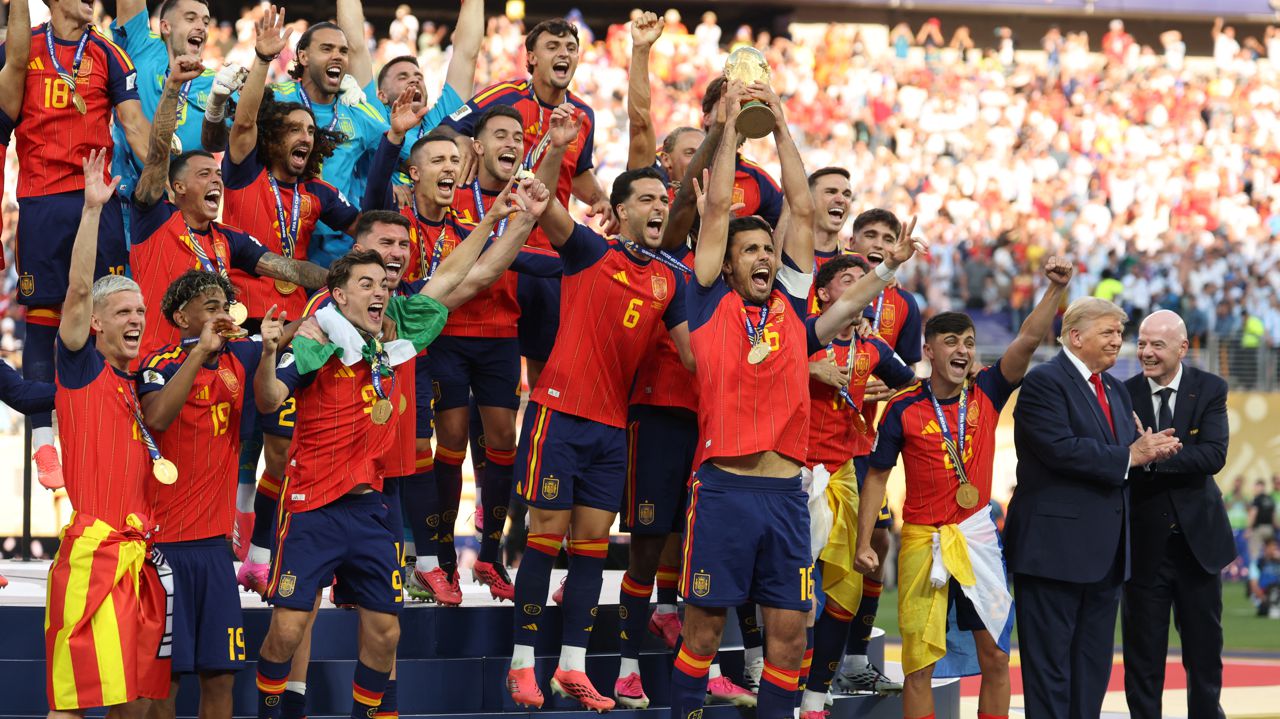
The Union of European Football Associations (UEFA) has threatened to boycott future FIFA World Cups if the global governing body proceeds with its plan to open the tournament to private investors. This strong stance was communicated on Thursday. The Confederation of North, Central American and Caribbean Association Football (Concacaf) has also rejected the FIFA initiative. In contrast, the Confederation of African Football (CAF) has expressed a more open stance, urging that the proposal be carefully examined. The core of the dispute lies in FIFA's intention to involve private investment in the World Cup, a move that UEFA views as a threat to the integrity and future of the competition. UEFA's potential boycott signifies a major rift between major football confederations regarding the commercialization and governance of international football's premier event. The differing responses from Concacaf and CAF highlight the varied perspectives on how to best manage and fund global football tournaments.
The proposed introduction of private investors into the FIFA World Cup raises complex questions about governance, revenue distribution, and the long-term strategic direction of global football. UEFA's threat of a boycott suggests a fundamental disagreement over the balance between commercial interests and sporting integrity, potentially stemming from differing interpretations of fiduciary duties owed to member associations. The differing responses from Concacaf and CAF indicate a fragmentation in how confederations perceive the risks and rewards of such a significant shift in financial strategy. This situation highlights a systemic tension between the need for increased funding to develop the sport globally and the desire to maintain centralized control and equitable participation. The coming decade's focus on sustainable development and stakeholder alignment will be crucial in navigating these divergent interests.
AI-generated to prompt reflection — not editorial opinion, not advice, not a statement of fact. How this works.