UEFA threatens World Cup boycott over FIFA's private investor plans
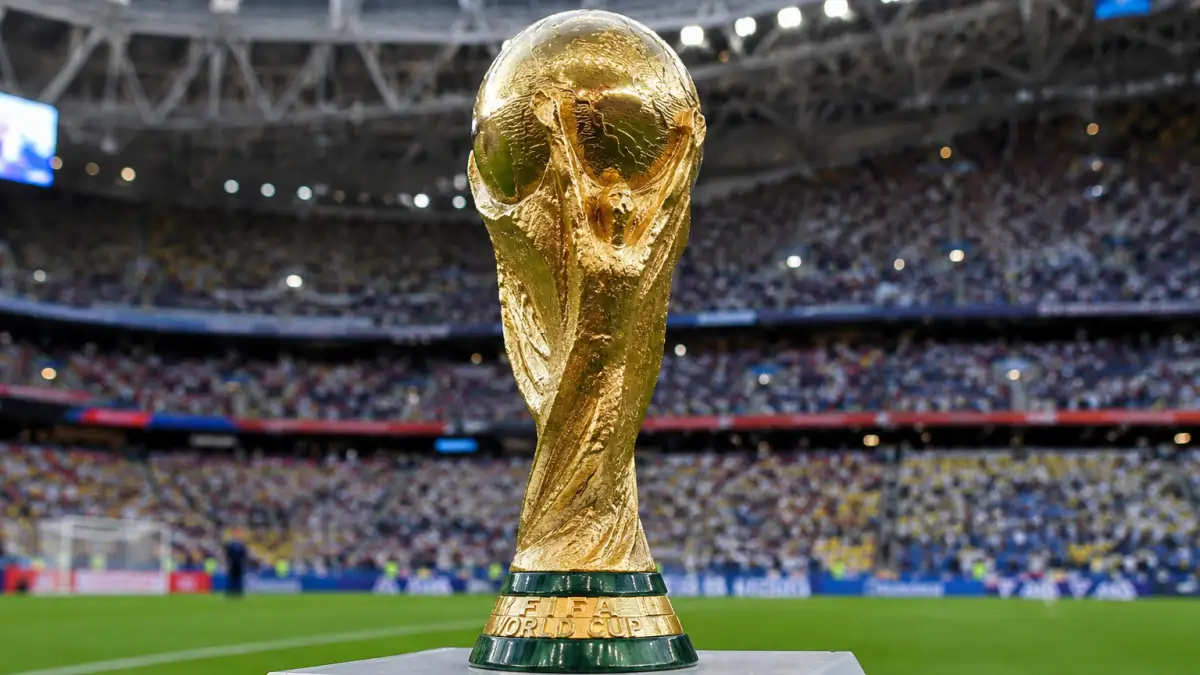
The Union of European Football Associations (UEFA) has announced it will boycott future World Cup tournaments if FIFA President Gianni Infantino proceeds with his plan to sell stakes to private investors. This strong stance was communicated in a statement released on Thursday, July 30th, following an emergency meeting involving all 55 of UEFA's member federations. The statement made the condition unequivocally clear: "no team..." The potential sale of World Cup rights to private equity firms has been a point of contention, with UEFA expressing grave concerns about the commercialization and governance of the sport's premier international competition. UEFA's executive committee had previously discussed the matter, signaling a united front among European football associations against what they perceive as a threat to the integrity and long-term interests of football. The organization fears that such a move could lead to a loss of control over the competition's future direction and potentially disadvantage national associations. The boycott threat underscores the deep divisions between UEFA and FIFA regarding commercial strategies and the management of global football assets.
UEFA's threat to boycott the World Cup signals a significant power struggle over the commercial future of global football. The organization's stance highlights concerns about FIFA's governance and the potential impact of private equity involvement on the sport's integrity and equitable distribution of revenue. By leveraging the threat of a boycott, UEFA seeks to assert influence and protect its interests within the international football landscape. This situation underscores a systemic tension between the desire for increased commercial revenue and the preservation of traditional football governance structures. The long-term implications for the sport's development and the balance of power between continental confederations and FIFA will likely be shaped by how this dispute is resolved over the coming years.
AI-generated to prompt reflection — not editorial opinion, not advice, not a statement of fact. How this works.