Uema Announces 5,680 Undergraduate Spots for 2027 Admissions
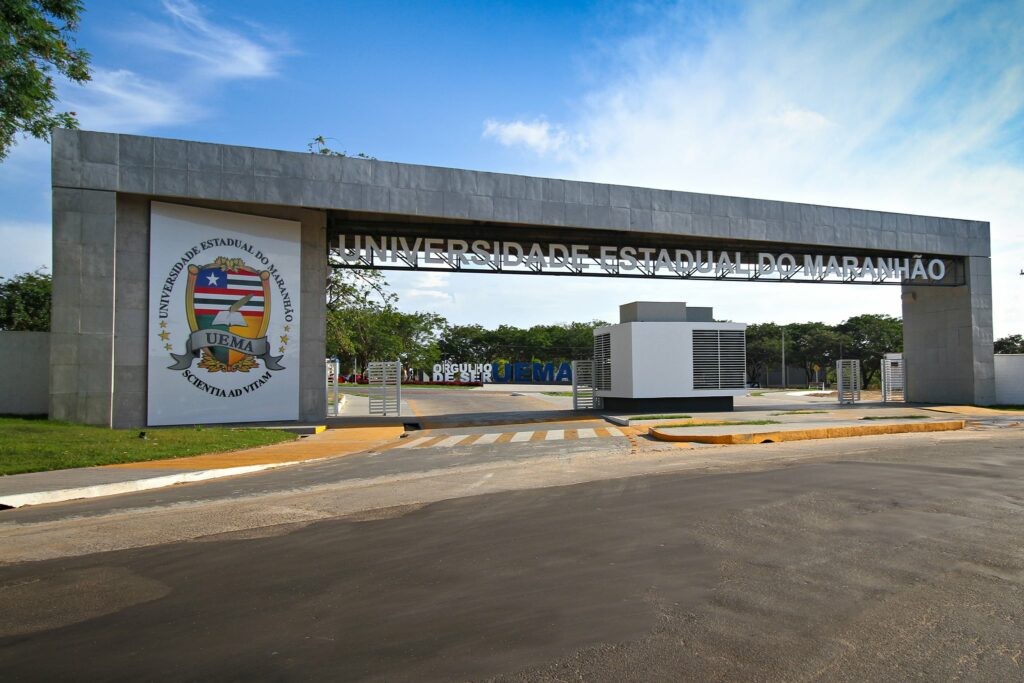
The State University of Maranhão (Uema) has opened applications for its 2027 academic year, offering a total of 5,680 undergraduate positions across its various programs. The application period will remain open until July 24, with the application fee set at R$ 85, payable by July 27. Uema's main campuses will host 4,755 of these vacancies, while the three campuses of UemaSul, the State University of the Tocantina Region of Maranhão, will offer 925 spots. Prospective students must apply exclusively online through the official Uema website. The single-stage entrance examination, PAES 2027, is scheduled for November 22 and will include multiple-choice questions and a written composition. UemaSul is introducing two new bachelor's degrees: Artificial Intelligence and Psychology. Additionally, the Police Military of Maranhão (PMMA) has increased its officer training program to 40 positions for men and women, and the Military Firefighters Corps of Maranhão (CBMMA) will offer 25 spots for its Bachelor of Public Safety and Bachelor of Public Safety Work courses. The selection process incorporates a quota system, reserving 50% of all positions for students who completed their high school education in public schools. Within this public school quota, 25% are designated for students from families with a per capita income of up to two minimum wages. Further reservations include ethnic-racial quotas for indigenous, quilombola, and Black and mixed-race candidates, reflecting Maranhão's demographics, and a 5% quota for individuals with disabilities (PCD).
This announcement details a significant expansion in higher education access within Maranhão, Brazil, through Uema and UemaSul. The inclusion of Artificial Intelligence and Psychology programs signals an alignment with emerging technological and societal needs. The robust quota system, encompassing socioeconomic, ethnic-racial, and disability considerations, aims to promote equity in educational opportunity. However, the long lead time until the 2027 academic year suggests a strategic planning horizon, potentially allowing for curriculum development and resource allocation. Future analysis should consider the long-term impact of these new programs on the regional job market and the effectiveness of the implemented quota system in achieving its diversity and inclusion goals.
AI-generated to prompt reflection — not editorial opinion, not advice, not a statement of fact. How this works.