Uema's PAES 2027 University Entrance Exam: Registration Closes Friday, November 24th
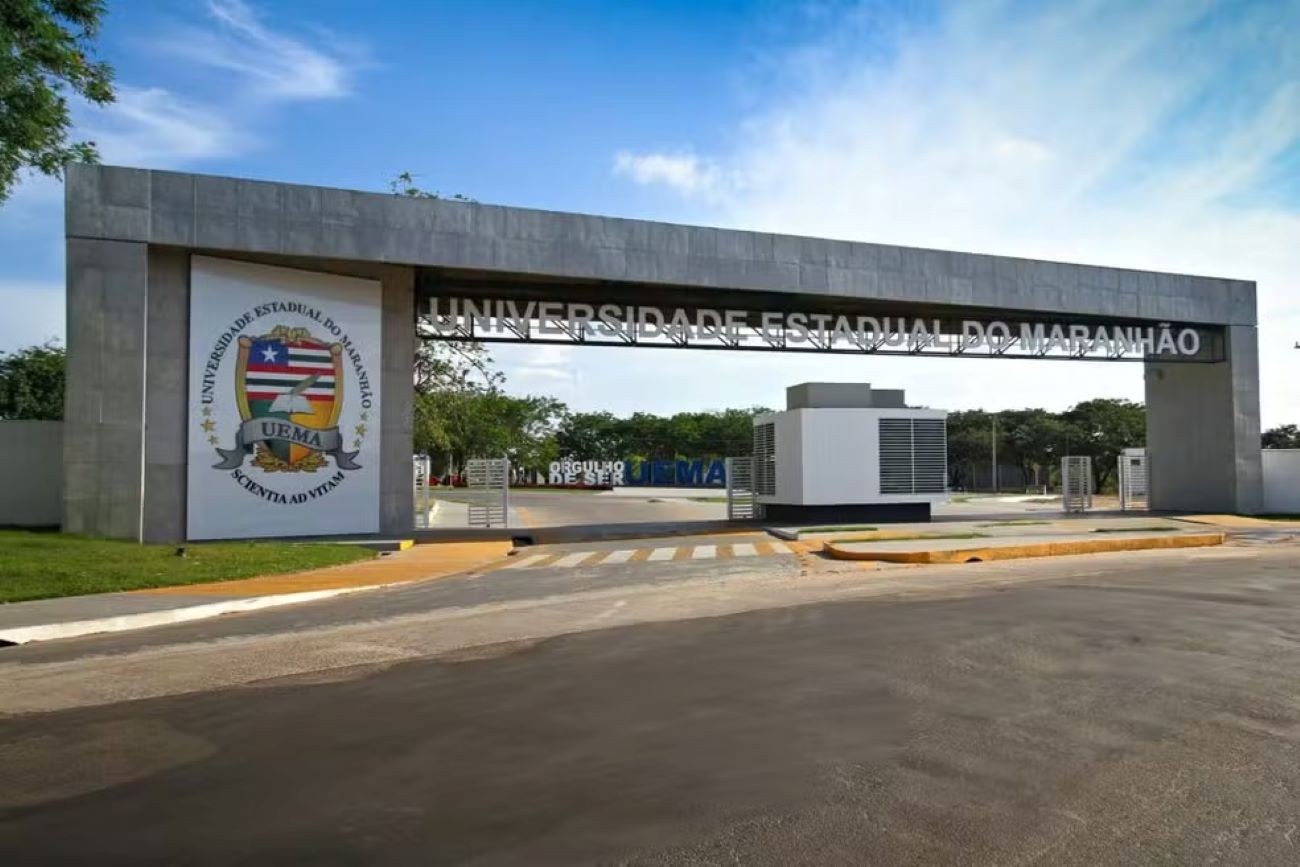
The State University of Maranhão (Uema) will close registration for its PAES 2027 entrance exam on Friday, November 24th. This process offers a total of 5,680 undergraduate places for in-person courses. Interested applicants must register exclusively online through the official university website. The application fee is R$ 85, payable until Monday, November 27th.
Of the total vacancies, 4,755 are distributed across Uema's 20 campuses, with an additional 925 allocated to the three campuses of the State University of the Tocantina Region of Maranhão (UemaSul). The PAES 2027 exams are scheduled for a single session on November 22nd, from 1:30 PM to 6:30 PM, comprising multiple-choice objective questions and a written composition. UemaSul is introducing two new bachelor's degree programs: Artificial Intelligence and Psychology. The number of spots for the Officer Training Course (CFO) has also increased, with 40 positions for the Maranhão Military Police (PMMA) and 25 for the Maranhão Military Firefighters (CBMMA).
The selection process will implement a quota system, reserving half of all vacancies for students who completed their high school education in public schools. Within this public school quota, 25% are reserved for students from families with a per capita income of up to two minimum wages. Further ethnic-racial quotas are available for indigenous, quilombola, and self-declared Black and mixed-race candidates, reflecting their proportion in Maranhão's population. Additionally, 5% of the vacancies are set aside for people with disabilities (PCD).
This university entrance examination process in Maranhão, Brazil, aims to democratize access to higher education through a structured application and selection system. The inclusion of diverse quota categories—public school graduates, low-income families, ethnic-racial groups, and individuals with disabilities—demonstrates a commitment to social equity and representation. However, the system's complexity, while well-intentioned, necessitates careful management to ensure fair and transparent implementation. Future considerations might include evaluating the long-term impact of these quotas on academic outcomes and exploring innovative digital tools to streamline the application and communication processes for an increasingly tech-savvy applicant pool.
AI-generated to prompt reflection — not editorial opinion, not advice, not a statement of fact. How this works.