UEMASUL Opens Applications for Remaining PAES 2026 Spots in Imperatriz and Açailândia
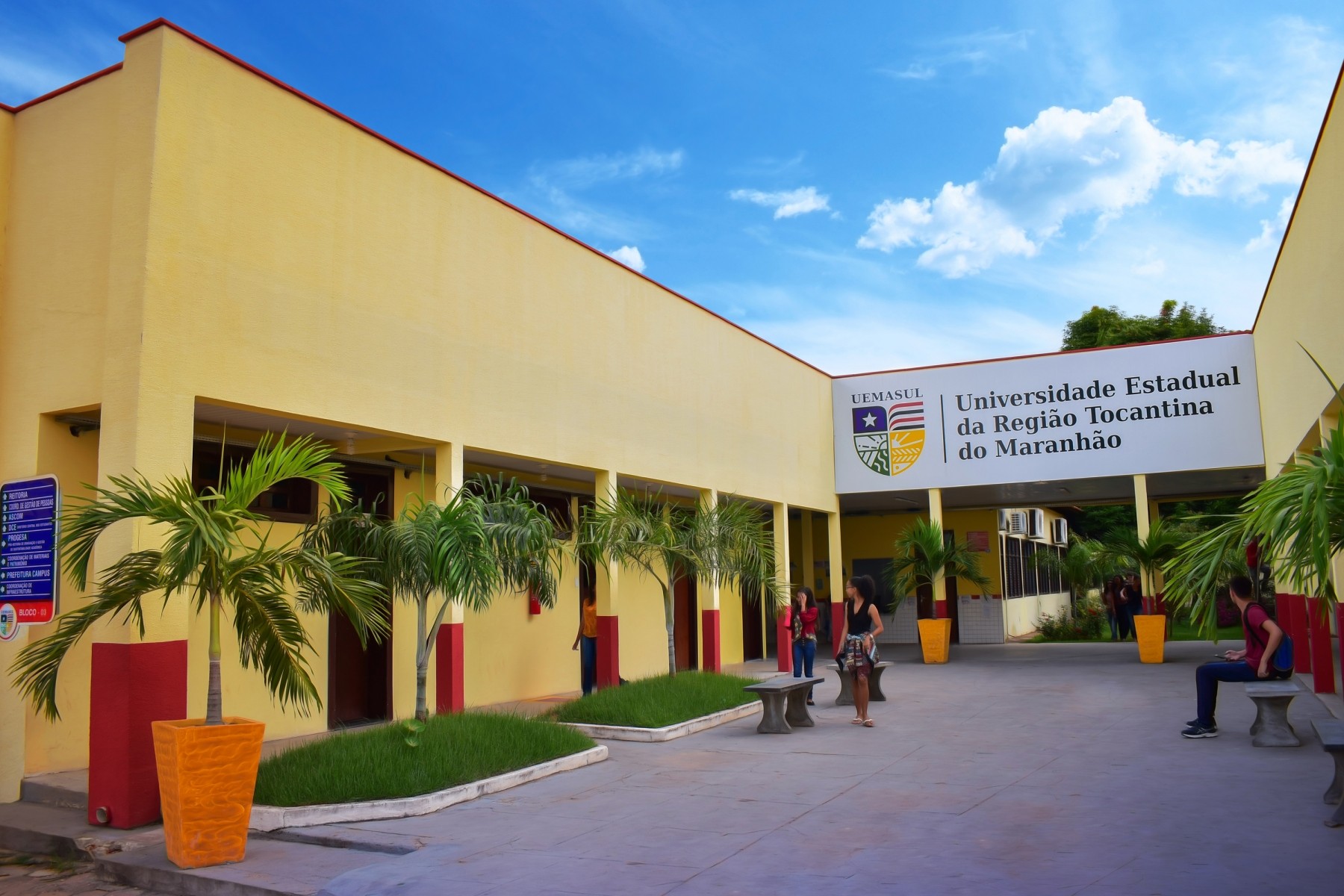
The State University of the Tocantina Region of Maranhão (UEMASUL) has opened applications for remaining spots in its Simplified Selection Process for the 2026 Higher Education Access Selection Process (PAES). A total of 28 opportunities are available for admission in the second semester of 2026. Interested candidates can apply until July 17. Eligibility requires completion of high school and participation in at least one National High School Exam (Enem) between 2022 and 2025, with a minimum score of 300 and a non-zero essay grade.
The available positions are for the in-person courses of Forest Engineering at the Imperatriz campus and Civil Engineering at the Açailândia campus. Applications must be submitted in person on weekdays between 9 AM to 12 PM and 3 PM to 6 PM. In Imperatriz, applications are handled at the UEMASUL General Protocol, while in Açailândia, they are processed at the campus's Academic Secretariat. The application fee is R$ 50, and each candidate can only apply for one course.
According to the public notice, students with active enrollment in undergraduate courses at public higher education institutions are ineligible, in accordance with Law No. 12.089/2009. The notice also reserves 20% of the vacancies for Black, Brown, or Indigenous students who completed high school in public schools, and an additional 5% for individuals with disabilities. The final results are expected on July 29, with enrollment for successful candidates scheduled from July 30 to August 6. The academic semester is set to begin on August 10, 2026.
This selection process addresses the need for filling remaining university spots, indicating potential challenges in initial enrollment projections or student retention. The criteria, including ENEM scores and specific course availability, highlight the university's focus on attracting qualified candidates for specialized engineering fields. The reservation of seats for underrepresented groups and individuals with disabilities demonstrates a commitment to equity and inclusion within the higher education system. The process, however, also reveals the complexities of managing student demand and resource allocation in public institutions, particularly when balancing specific program needs with broader access mandates.
AI-generated to prompt reflection — not editorial opinion, not advice, not a statement of fact. How this works.