UERJ Halts Women's Violence Program Amid State Funding Delays, Staff Unpaid
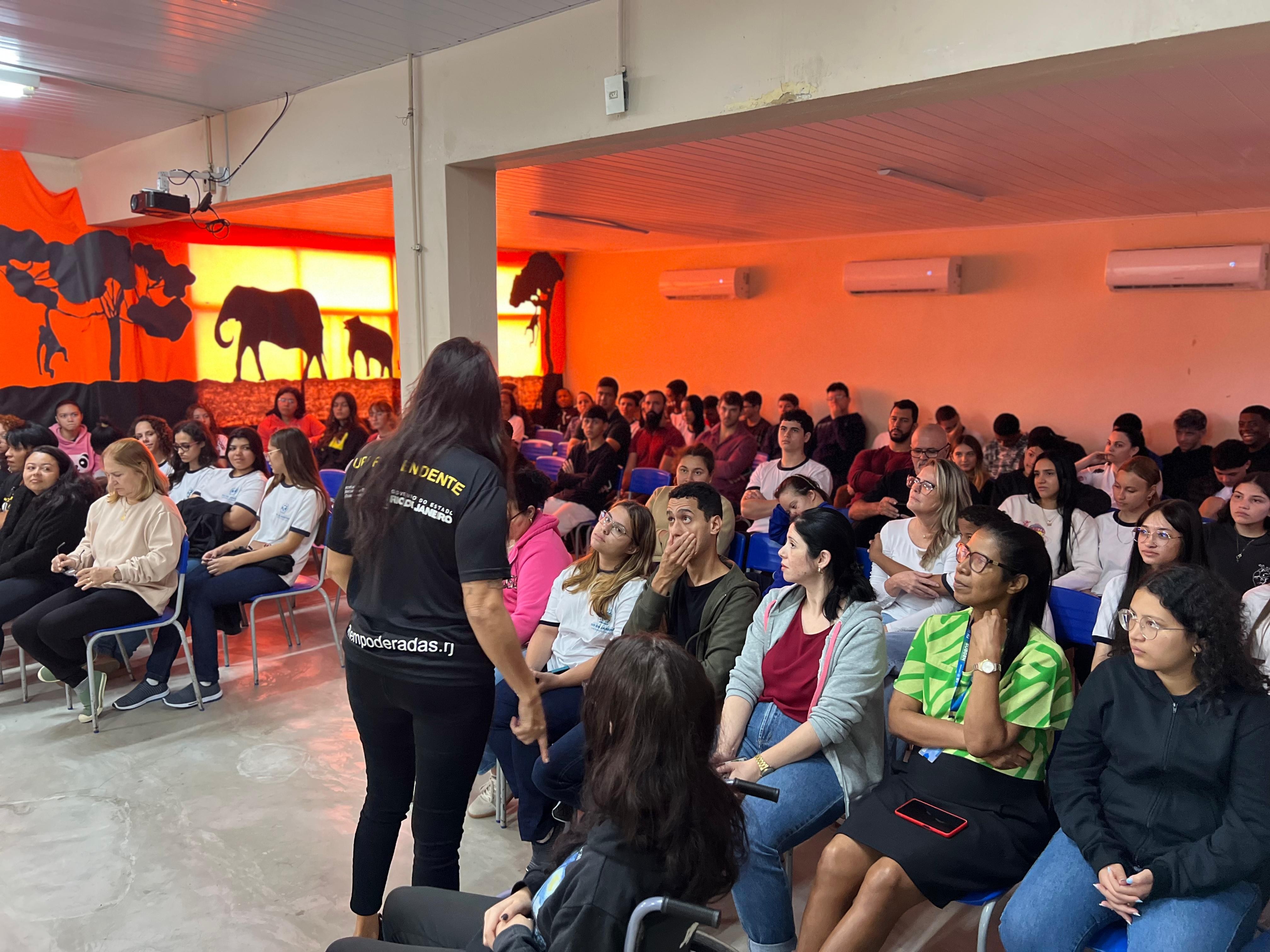
The State University of Rio de Janeiro (UERJ) has suspended new activities for its "Empoderadas" program, a state initiative aimed at combating violence against women. This decision, made by Rector Gulnar Azevedo e Silva on Friday, July 24th, stems from the state government's failure to transfer promised funds. The program's operations are halted until the partnership is formalized and resources are allocated. This suspension occurs amidst a national rise in femicide cases. Concurrently, over 200 program staff members have not received salaries since January, facing severe financial hardship, including eviction threats and utility shut-offs. Some workers, like Celeste Alcântara, report accumulating six months of back rent, while Gláucia Pandoro continued working throughout her pregnancy and into her baby's first week of life, often using her own funds for work-related expenses. The "Empoderadas" program, established in 2022, provides crucial services such as self-defense classes, legal and psychological support, and vocational training for women experiencing violence. UERJ's decision was prompted by legal and financial risks highlighted by the university's Special Projects General Superintendence, which advised against continuing without budgetary backing. The university is prohibited from taking on new obligations or expenses until the state government finalizes the partnership and disburses funds. The state government attributes the delay to ongoing audits of contracts from the previous administration, stating that any new disbursements await the completion of these reviews to ensure transparency and protect public funds. The "Empoderadas" program has reportedly reached over 2.5 million women across the state.
The suspension of UERJ's "Empoderadas" program due to state funding delays highlights a critical systemic vulnerability where essential public services are contingent on intergovernmental financial flows. This situation underscores the potential for administrative inertia, bureaucratic transitions, or fiscal management issues within a state government to directly impede vital social support systems. The government's justification of audits, while aimed at fiscal prudence, creates a direct conflict with the urgent needs of vulnerable populations and the financial stability of program personnel. This case prompts consideration of governance mechanisms that could insulate such critical programs from the vagaries of state budget cycles and administrative transfers, perhaps through dedicated, ring-fenced funding streams or independent oversight bodies. The long-term implications for public trust and the efficacy of violence prevention strategies are significant, suggesting a need for more resilient funding models in the face of evolving political and economic landscapes.
AI-generated to prompt reflection — not editorial opinion, not advice, not a statement of fact. How this works.