Ufac Students Declare Indefinite Strike Over Rio Branco Public Transport Crisis
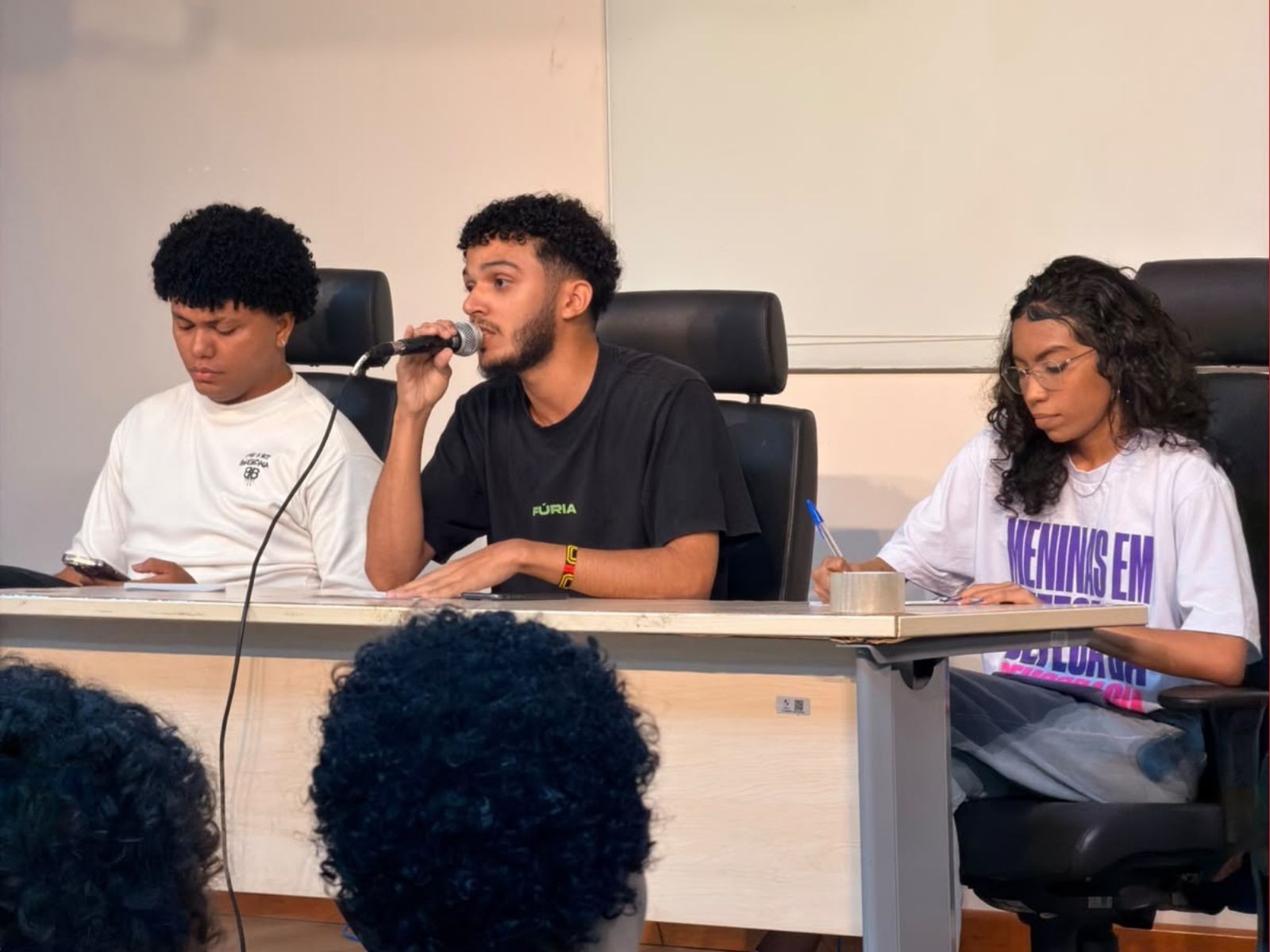
Students at the Federal University of Acre (Ufac) have voted to go on an indefinite strike due to severe disruptions in Rio Branco's public transportation system. The decision, made during an assembly organized by the Central Student Directorate (DCE) on Thursday, May 9th, aims to pressure authorities to address the crisis, which has significantly impacted students' ability to attend classes. The DCE president, Rubisclei de Abreu, stated that the strike will continue until their demands regarding public transport are met, emphasizing that the goal is not a perpetual stoppage but a resolution to the ongoing transportation chaos. A schedule of protests and mobilization activities has been planned by the DCE to support the strike. This action follows a recent suspension of Ufac's in-person classes, which lasted from July 1st to July 4th, due to the same transportation issues affecting students, faculty, and staff. The university had initially cited difficulties in academic community access as the reason for the temporary closure of undergraduate courses. The public transport crisis in Rio Branco escalated significantly in late June when a judicial order led to the seizure of a portion of the Ricco Transportes e Turismo bus fleet. Approximately 50 buses were repossessed due to the company's debt of nearly R$ 3 million, with an initial seizure of 38 vehicles authorized to mitigate further system collapse, considering outstanding labor debts and employee notice periods. This reduction in operational buses resulted in reduced service, leading to long queues, overcrowded vehicles, and extended waiting times for passengers. In response, the Rio Branco City Hall has entered into an emergency one-year contract with JTP Transportes to gradually take over the public transport operation. This transition is expected to be completed within 90 days, during which Ricco will continue to operate some routes. The new service aims to deploy a fleet of 120 buses, including 60 new vehicles expected by early September. Additionally, authorized taxi-lotação services will continue to operate in areas lacking public transport coverage during this transitional period.
The student strike at Ufac highlights systemic vulnerabilities in urban public transportation infrastructure, particularly in mid-sized Brazilian cities. The seizure of buses, driven by corporate debt and judicial processes, reveals the fragility of service provision when reliant on private operators with significant financial liabilities. This event underscores the critical need for robust public oversight and contingency planning in essential services, ensuring that operational disruptions do not disproportionately harm vulnerable populations like students. Looking ahead, the integration of technology for real-time transit management and the exploration of alternative service models, potentially involving public-private partnerships with stronger performance guarantees or direct municipal operation, could mitigate future crises. The long-term sustainability of urban mobility hinges on balancing financial viability with consistent, accessible public service delivery, a challenge amplified by economic pressures and regulatory frameworks.
AI-generated to prompt reflection — not editorial opinion, not advice, not a statement of fact. How this works.