UFC fighter Allan 'Puro Osso' Nascimento dies at 34
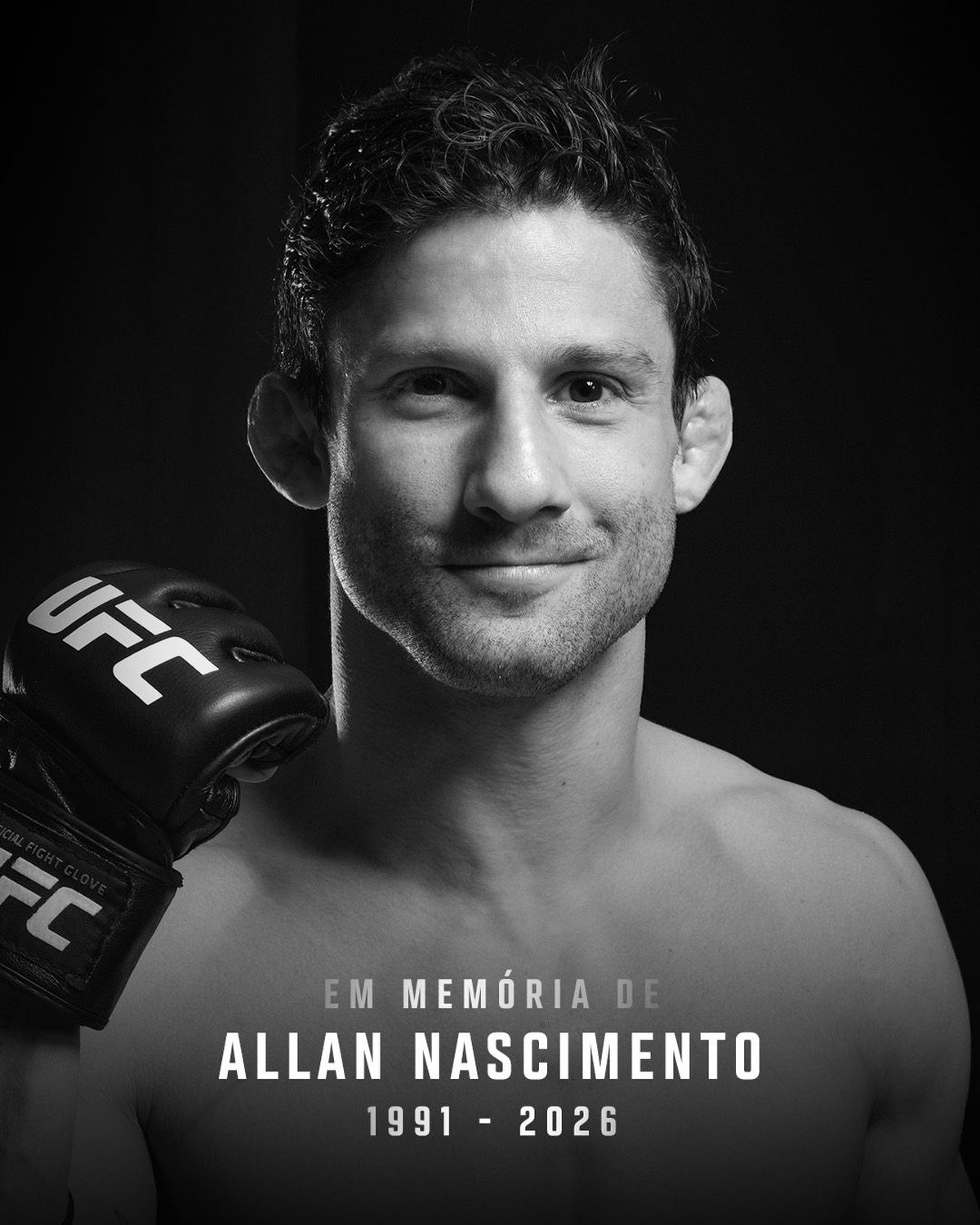
Brazilian MMA fighter Allan 'Puro Osso' Nascimento, who competed in the flyweight division, passed away on Monday, August 3rd, at the age of 34. The Ultimate Fighting Championship (UFC) announced his death via a statement on their official UFC Brazil page. According to the statement, Nascimento reportedly suffered a cardiac arrest while sleeping. Medical personnel attempted to revive him, but he was pronounced dead at the scene. The UFC expressed its deepest condolences to his family, friends, teammates, and loved ones. Nascimento, originally from São Paulo, was part of the Chute Boxe Diego Lima team. He had a professional MMA record of 22 wins and seven losses. He had represented Brazil in the UFC since October 2021 in the flyweight category, which has a weight limit of 57 kg. He was also a close friend of fellow fighter Charles Oliveira, who shared his grief on social media, remembering Nascimento as a brother and expressing gratitude for their shared experiences in training and competition. Nascimento began his martial arts journey at 15 with Muay Thai and transitioned to MMA at 17, initially hiding his passion from his parents. He made his professional MMA debut at 19. In 2018, he participated in the first season of Contender Series Brazil, catching Dana White's attention despite a split-decision loss in what was considered the event's best fight, earning praise and a promise from the UFC president.
The passing of Allan 'Puro Osso' Nascimento at a young age highlights the intense physical demands and potential health risks associated with professional mixed martial arts. While the stated cause is a cardiac event during sleep, the rigorous training regimens and competition schedules inherent in the sport warrant ongoing examination of athlete well-being protocols. Future considerations for combat sports organizations may involve enhanced, proactive cardiovascular screening and long-term health monitoring for athletes, particularly as they transition out of active competition. Understanding the systemic factors that contribute to athlete health, beyond immediate performance metrics, will be crucial for fostering a more sustainable and supportive environment within professional fighting.
AI-generated to prompt reflection — not editorial opinion, not advice, not a statement of fact. How this works.
