Ufersa Professor Suspended for Using Fake COVID-19 Vaccination Certificate
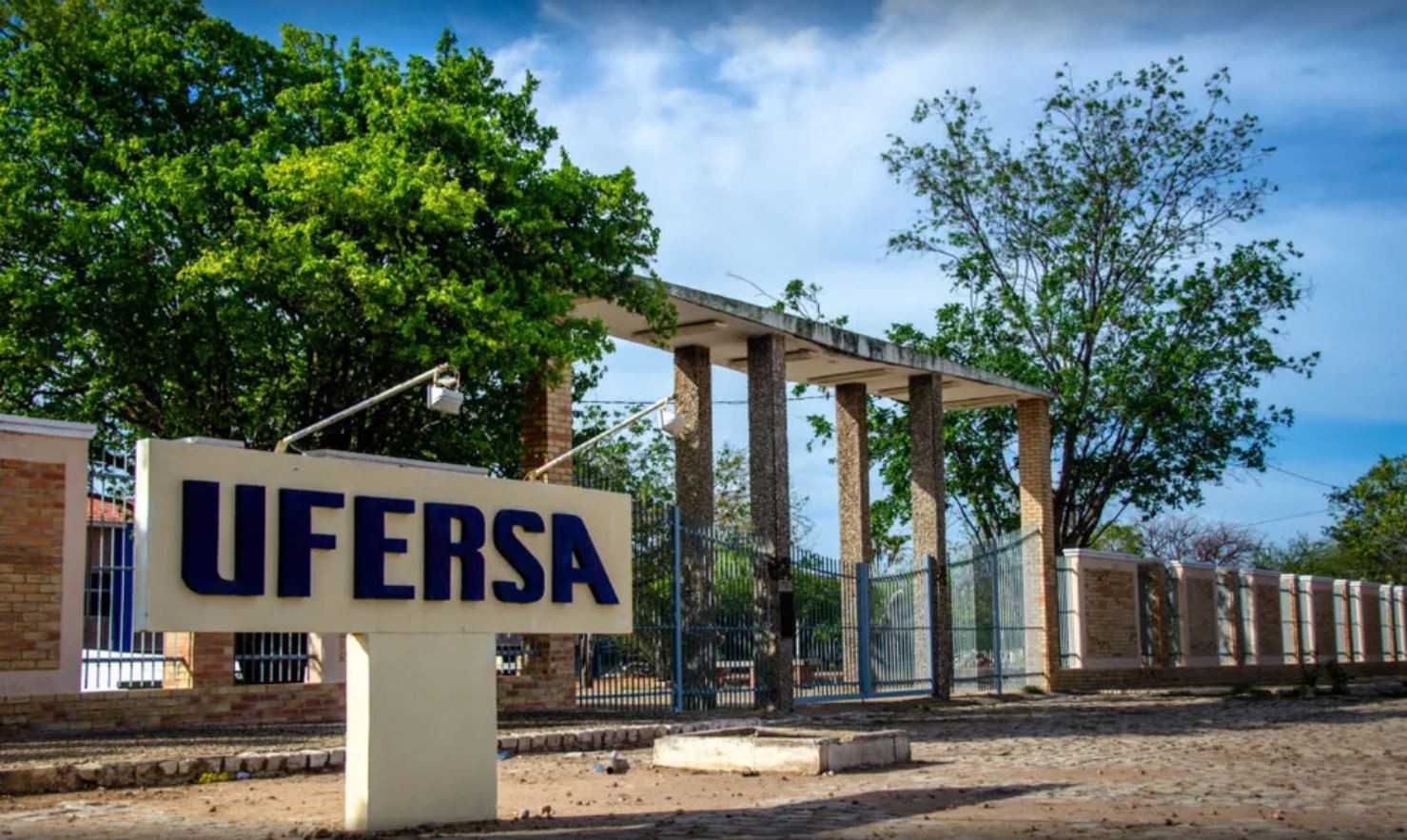
A professor at the Federal Rural University of the Semi-Arid (Ufersa) has been suspended for 47 days by the Comptroller General of the Union (CGU) for using a fraudulent COVID-19 vaccination certificate. Ufersa confirmed it was notified by the CGU on Friday, February 24th, and is obligated to implement the penalty. The university stated that the CGU conducted the entire investigation and disciplinary process, with Ufersa's role limited to executing the imposed sanction. The punishment was officially published in the Official Gazette of the Union following the conclusion of an Administrative Disciplinary Process (PAD) managed by the CGU. Ufersa indicated that due to legal regulations, the identity of the suspended professor and other case-specific details will remain confidential. Investigations revealed that some federal employees, including the Ufersa professor, paid between R$400 and R$800 for these fake vaccination records. Other federal agencies with suspended employees include the Federal Revenue Service, the Federal University of the State of Rio de Janeiro (Unirio), and the Federal Hospital of Lagoa. The false certificates were used for various purposes, including international travel and internal employment requirements. The administrative proceedings determined that these employees violated public service laws, including adherence to legal norms and maintaining administrative integrity.
This incident highlights a systemic vulnerability in administrative processes designed to verify compliance with public health mandates. The use of falsified vaccination certificates by federal employees, some allegedly purchased, points to a lapse in the integrity of digital and physical verification systems. Beyond the individual misconduct, the case raises questions about the robustness of internal controls within federal institutions and the effectiveness of oversight bodies like the CGU in preventing such breaches. The varying motivations for using the fake documents—from personal travel to employment requirements—suggest a need for a multi-faceted approach to reinforcing ethical conduct and compliance protocols across the public sector. Future considerations should include enhanced digital security measures for health records and more rigorous background checks for sensitive positions to mitigate similar risks in an increasingly digitized administrative landscape.
AI-generated to prompt reflection — not editorial opinion, not advice, not a statement of fact. How this works.