UFMS Opens Applications for Exhibitors at its School Market
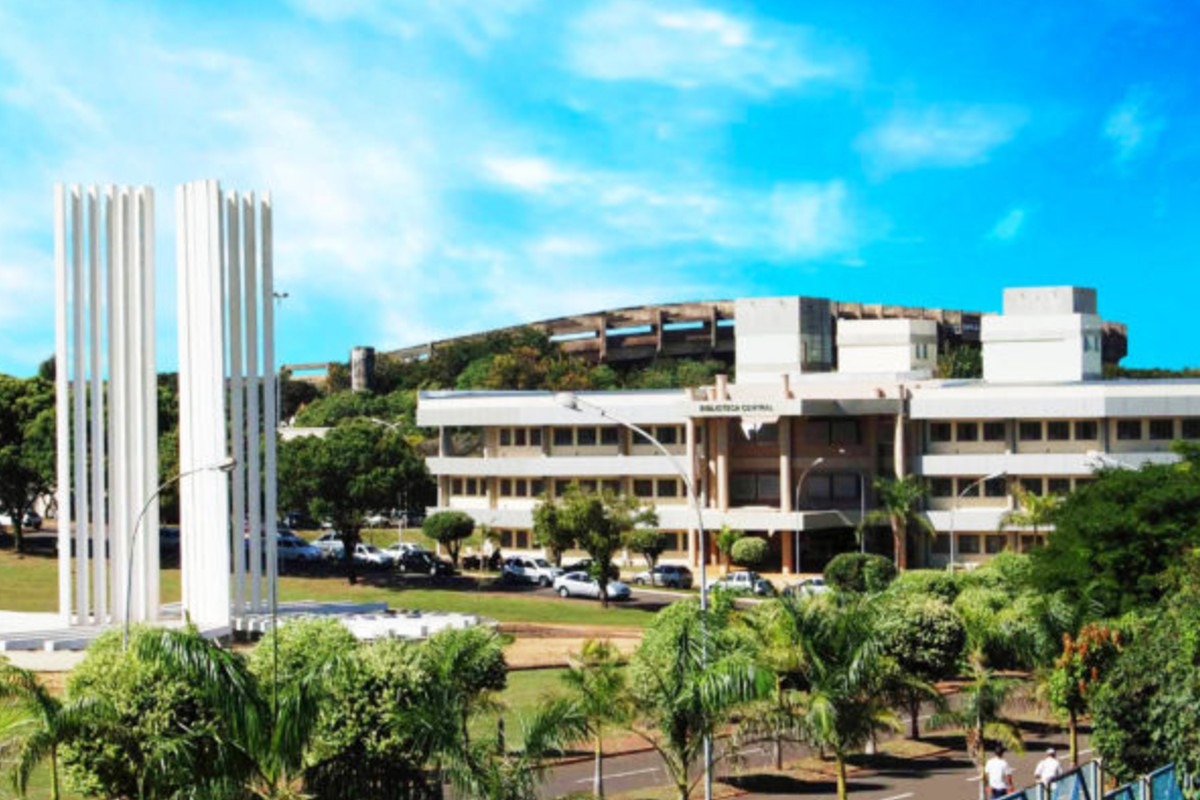
The Federal University of Mato Grosso do Sul (UFMS) is accepting applications until July 28 for its School Market project, seeking to support entrepreneurs, artisans, and farmers. This initiative aims to foster entrepreneurship, generate income, and promote university extension through product exhibition and sales. Selected participants will engage in activities for 12 months, with weekly meetings held on Thursdays. The market will feature products from family, urban, and peri-urban agriculture, natural and regional foods, medicinal plants, handicrafts, and creative economy items. Eligible applicants include entrepreneurs, cooperatives, associations, family farmers, indigenous peoples, traditional communities, artisans, students, and university staff. Beyond sales opportunities, the project provides training, technical support, and institutional services. Selection criteria will focus on innovation, sustainability, regional identity, product quality, and participation in training, with an emphasis on circular economy principles and the valorization of Mato Grosso do Sul's biomes. The project aims to connect producers directly with consumers who appreciate the production process and product quality, thereby strengthening local businesses. Preliminary results are expected on July 31, with final results on August 4, and activities commencing on August 6. Applications are free of charge.
This initiative by UFMS to establish a School Market exemplifies a strategy to integrate academic resources with local economic development. By providing a platform for diverse producers, the university seeks to stimulate entrepreneurship and create direct consumer-producer links, potentially enhancing market access for small-scale operations. The emphasis on sustainability, circular economy, and regional identity suggests a forward-looking approach, aligning with broader societal trends toward conscious consumption and local sourcing. Such programs can foster resilient local economies by empowering producers and educating consumers, contributing to both social equity and environmental stewardship within the next decade.
AI-generated to prompt reflection — not editorial opinion, not advice, not a statement of fact. How this works.