Ufopa to Host Indigenous and Quilombola Leaders for Special Admissions Process Discussions
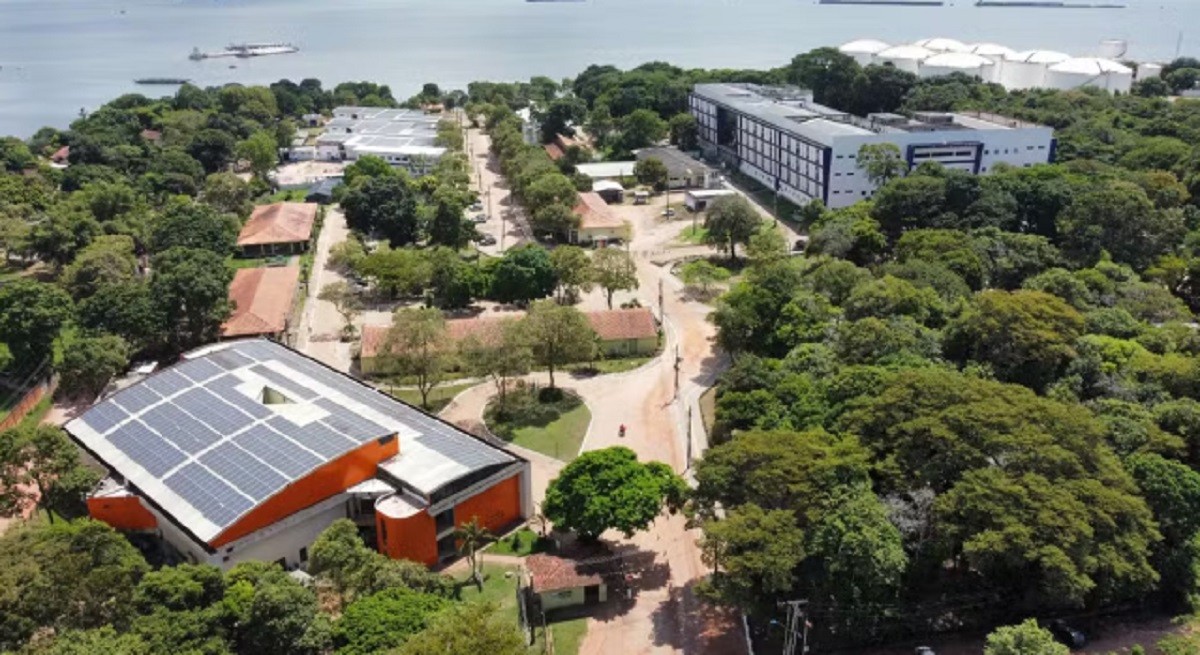
The Federal University of Western Pará (Ufopa) will convene indigenous and quilombola leaders for a seminar on special admissions processes, scheduled for July 6-7, 2026. This event aims to create a direct dialogue space with traditional leaders and representatives from communities within the university's service area. The primary objective is to discuss draft proposals for the upcoming special admission rounds for indigenous and quilombola students. The seminar is jointly organized by Ufopa's Graduate Studies Pro-Rectory (Proen) and the Evaluation Commission for Special Indigenous and Quilombola Admissions Processes (Capse). All in-person sessions will take place at the Wilson Fonseca Auditorium on the Santarém Campus, with live streaming available to all regional Ufopa campuses to ensure broad participation from interior communities. During the two-day event, Ufopa's administration and technical teams will present detailed drafts of the special admission process guidelines for indigenous (PSEI) and quilombola (PSEQ) students. The seminar format includes open debate sessions, allowing participants to propose modifications, offer contributions, and align community demands with higher education access regulations. Ufopa has employed this consultative seminar model since initiating its affirmative action programs in the Amazon region. The PSEI began in 2011, and the PSEQ was integrated in 2015. University officials state that these forums facilitate knowledge exchange and ongoing evaluation of educational services for these populations, serving as a mechanism for reparation and recognition of historical inequalities, while also valuing cultural identity and Amazonian knowledge within academia.
This initiative by Ufopa demonstrates a commitment to inclusive higher education by directly engaging with indigenous and quilombola communities to shape their admissions processes. The university's long-standing practice of consultative seminars highlights a systemic approach to affirmative action, aiming to address historical inequalities and integrate diverse knowledge systems. By providing a platform for dialogue and co-creation of admission guidelines, Ufopa seeks to ensure that its policies are responsive to the specific needs and cultural contexts of these groups. This approach, spanning over a decade, reflects an evolving understanding of educational equity, moving beyond simple quotas to a more participatory model that values community input and cultural recognition. The challenge moving forward will be to translate these discussions into tangible improvements that enhance access and success for indigenous and quilombola students within the academic environment, while also ensuring the long-term sustainability and impact of these specialized programs in an era of increasing digital integration and evolving societal needs.
AI-generated to prompt reflection — not editorial opinion, not advice, not a statement of fact. How this works.