UFPA Commemorates Students and Driver Lost in BR-153 Accident One Year Later
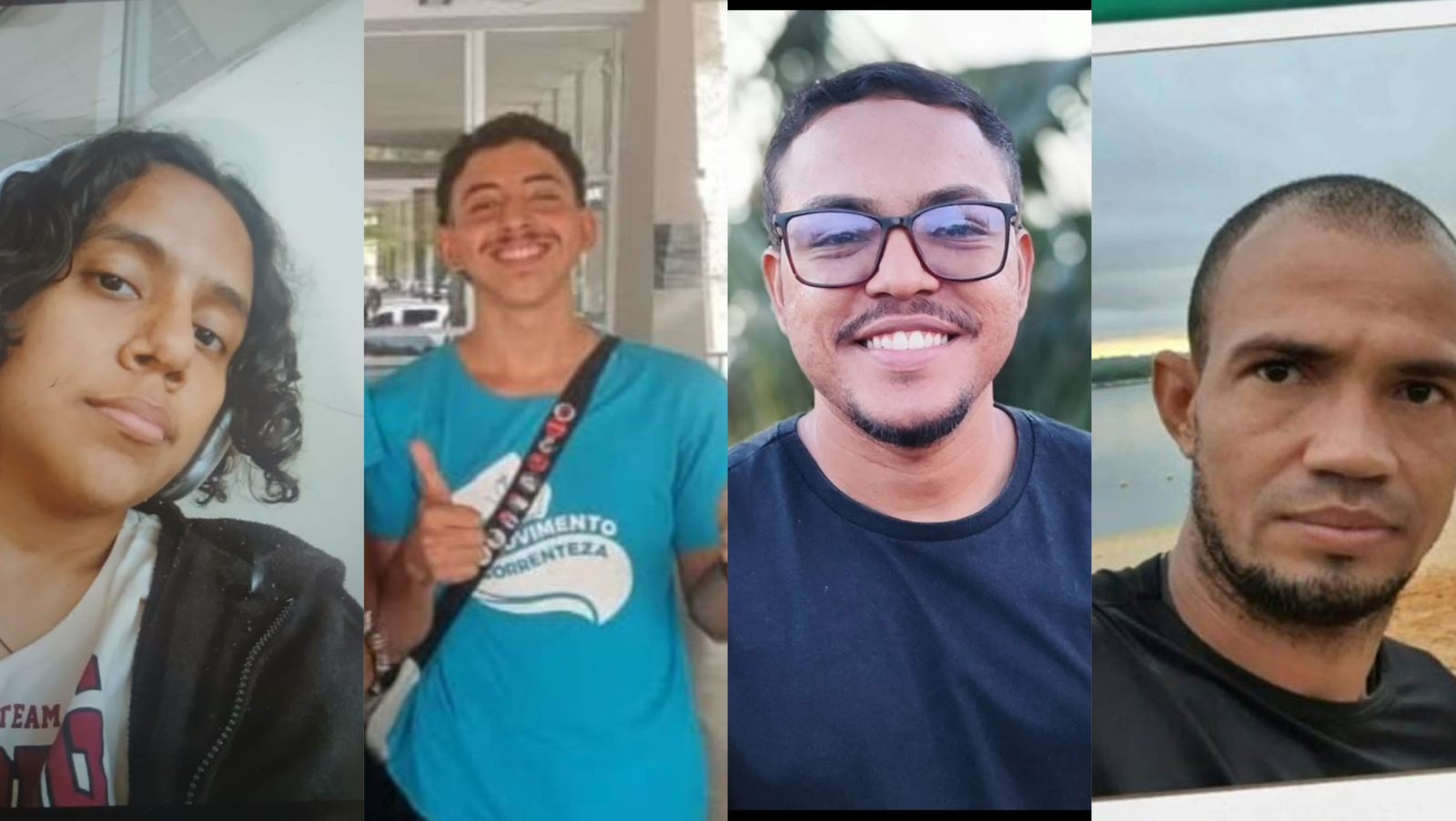
One year after a tragic accident claimed the lives of three students and a driver from the Federal University of Pará (UFPA) on the BR-153 highway in Goiás, the institution issued a statement honoring their memory. The note, signed by Rector Gilmar Pereira da Silva, expressed that the sense of loss persists and reaffirmed the university's commitment to keeping alive the memory of those who died en route to the 60th Congress of the National Union of Students (Conune) in Goiânia. The university also extended its solidarity to the families, friends, and colleagues of the victims, emphasizing that remembrance is a communal act. The accident occurred on the morning of July 16, 2025, in Porangatu, northern Goiás, when a truck veered into oncoming traffic and struck the lead vehicle of a convoy of two buses and two minibuses carrying approximately 140 UFPA students. The collision also involved another bus in the convoy. Among the deceased were students Ana Letícia Araújo Cordeiro (Pedagogy), Leandro Souza Dias (Pharmacy), Welfesom Campos Alves (Production and Multimedia), UFPA driver Ademilson Militão de Oliveira, and the truck driver, Keyne Laurentino de Oliveira. Several other students sustained injuries and received medical attention in Goiás and Tocantins. The incident prompted national mourning, with messages of condolence from President Luiz Inácio Lula da Silva, Goiás Governor Ronaldo Caiado, and various educational bodies. UFPA declared three days of official mourning, established a support committee, set up a family assistance center, and coordinated care for the injured and relatives. The bodies were returned to Pará two days later via a Brazilian Air Force aircraft, with memorial services held at UFPA campuses before the burials. A photograph taken shortly before the journey, showing students holding student movement flags, has become a poignant symbol of the tragedy, as three of the students pictured perished hours later.
The UFPA's commemoration underscores the profound impact of the BR-153 accident, highlighting the vulnerability of student travel for national congresses. This event serves as a stark reminder of the systemic risks inherent in long-distance road transportation, particularly concerning heavy vehicle safety and traffic management on major highways. The university's response, including memorialization and support for affected families, reflects a commitment to community and remembrance. Looking ahead, such tragedies necessitate a re-evaluation of safety protocols for organized student travel, potentially involving enhanced vehicle inspections, driver training standards, and route risk assessments. The incident also raises questions about the broader responsibility of educational institutions and transportation authorities in mitigating risks associated with inter-state student mobility, especially in an era where digital connectivity offers alternative participation models, though potentially diminishing the value of in-person networking and advocacy.
AI-generated to prompt reflection — not editorial opinion, not advice, not a statement of fact. How this works.