UFPE Researchers Develop Permeable Pavement to Combat Recife Flooding
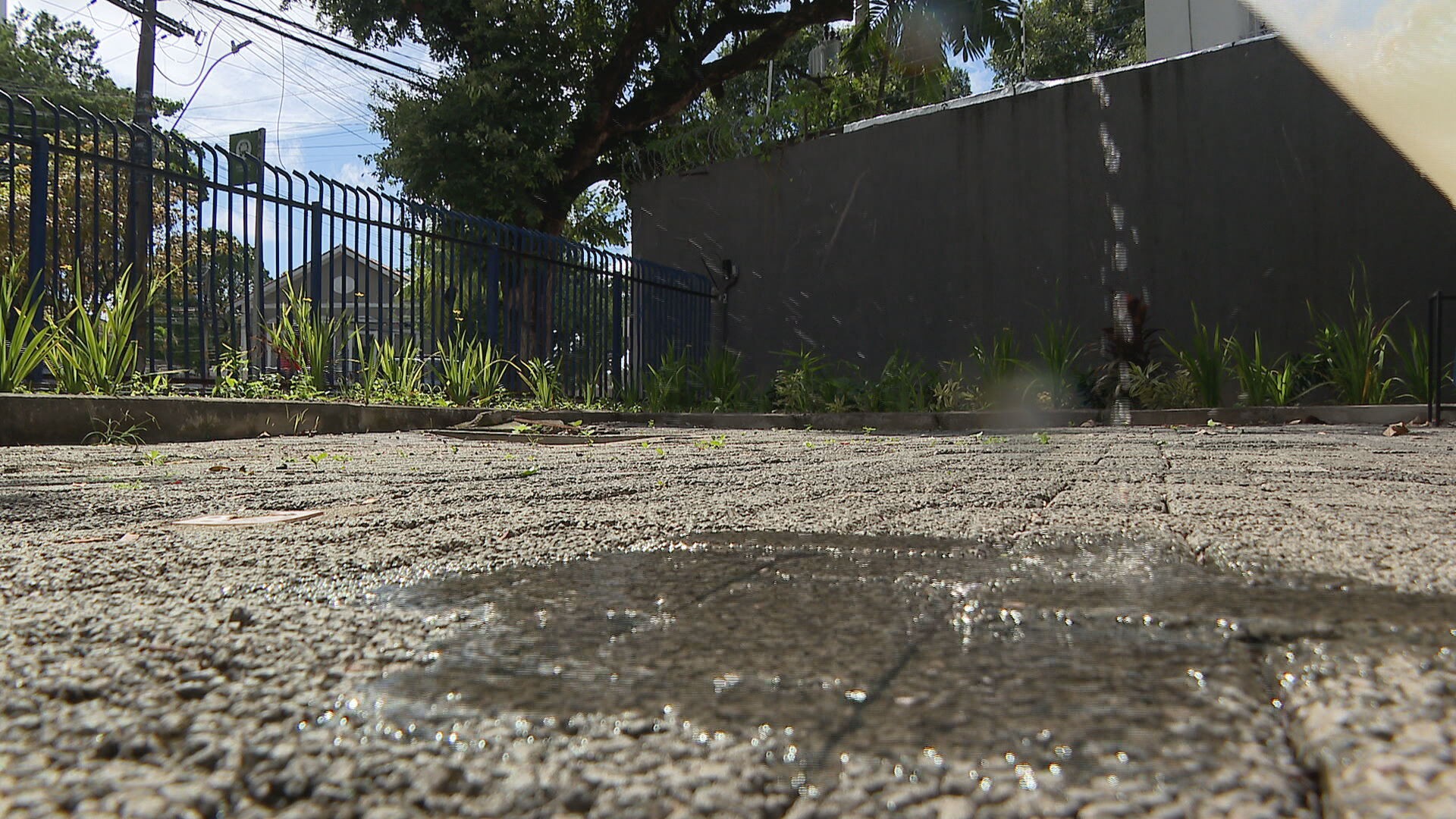
Researchers at the Federal University of Pernambuco (UFPE) have developed a permeable pavement designed to mitigate flooding in Recife, a city frequently impacted by heavy rainfall and high tides. This innovative paving system, intended for streets and avenues, utilizes a specialized concrete that absorbs rainwater, allowing it to infiltrate the soil and improve drainage. The technology aims to reduce or prevent inundations in a metropolitan area that has historically expanded by reclaiming land from rivers and canals.
Initial tests conducted at the Polytechnic School of the University of Pernambuco (UPE) in the Madalena neighborhood demonstrated the pavement's effectiveness, withstanding rainfall up to 137 millimeters without significant water accumulation. The findings were published in March of this year in the Brazilian Journal of Environmental Sciences. The research, initiated in 2021 as a master's project by Lucas Amorim, who is now pursuing a doctorate in Water Resources at UFPE, requires further large-scale testing before widespread implementation.
Amorim emphasized that while the system performed well in localized tests, city-wide application would necessitate a combination of such techniques across various drainage basins. The pavement itself is constructed in five layers, totaling 43 centimeters in height, including interlocking concrete blocks for traffic, a stone layer for stability, a geotextile membrane to prevent clogging, a 30-centimeter layer of permeable gravel for water storage, and a final geotextile layer to separate it from the natural soil. This layered design facilitates water passage through the concrete's pores and into the underlying gravel, eventually infiltrating the ground.
This permeable pavement innovation addresses a critical urban infrastructure challenge exacerbated by historical land reclamation and increasing climate event intensity. By facilitating natural water infiltration, the technology offers a systemic approach to managing stormwater runoff, potentially reducing reliance on conventional, often overwhelmed, drainage systems. While promising for localized flood mitigation, its scalability and long-term efficacy in diverse urban soil conditions and extreme rainfall scenarios warrant rigorous, large-scale validation. The research highlights the need for integrated urban planning that combines technological solutions with the restoration of natural water-retention areas to build resilient cities for the future.
AI-generated to prompt reflection — not editorial opinion, not advice, not a statement of fact. How this works.