UFPI Announces 156 University Spots for Indigenous, Quilombola, and Coconut Breaker Students
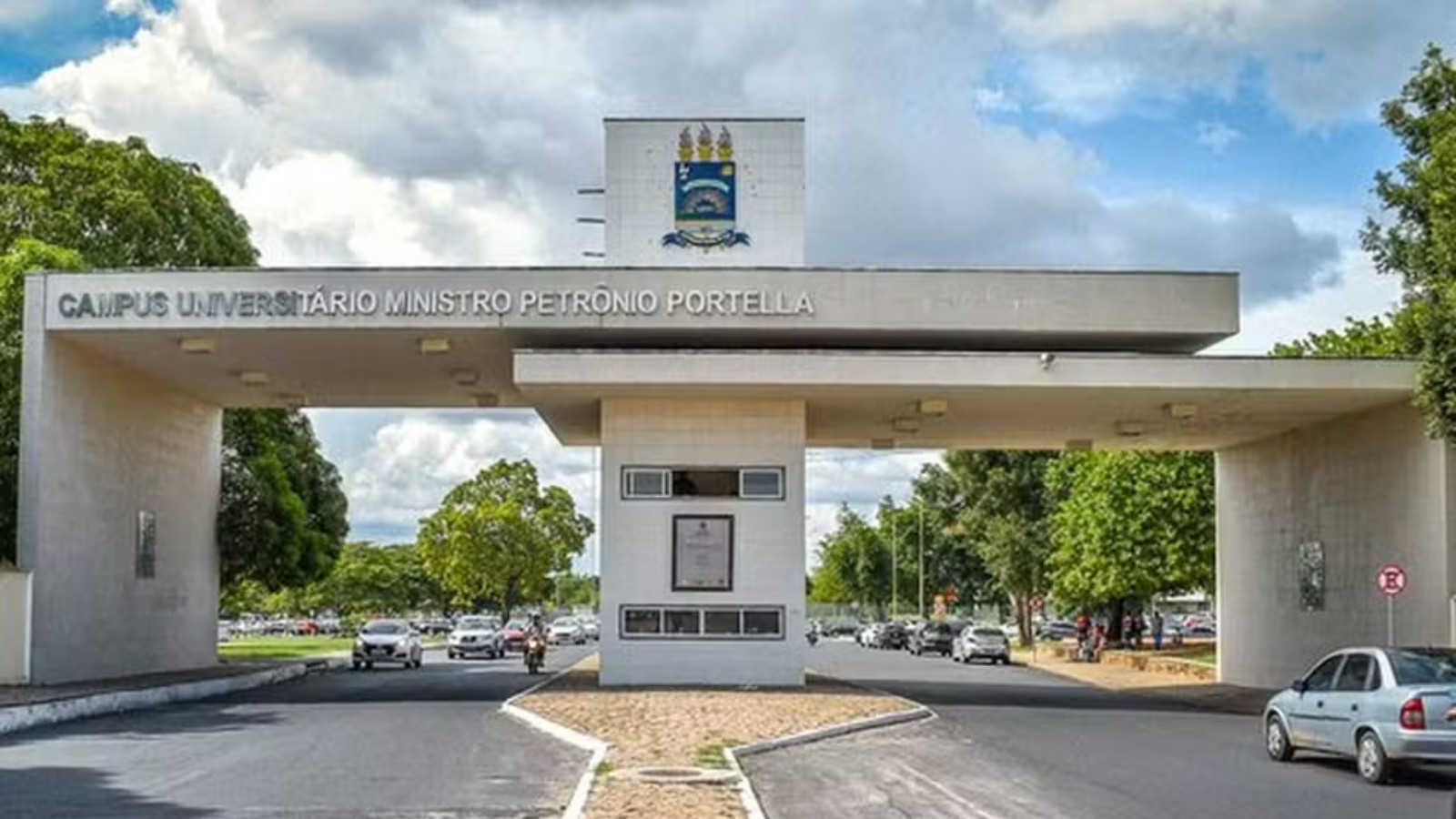
The Federal University of Piauí (UFPI) in Teresina has opened 156 remaining spots in its undergraduate courses specifically for indigenous, quilombola, and babaçu coconut breaker students. Applications will be accepted online via an electronic form from August 5th to August 12th. Successful candidates will begin their studies in the 2026.2 academic period. Applicants must have completed high school or an equivalent level of education and meet the requirements outlined in the official notice. The selection process involves three stages: an initial document review for eligibility, an evaluation of academic transcripts for ranking, and a mandatory in-person essay test in Portuguese. This essay exam, lasting two hours, will be administered in the applicant's chosen city: Teresina, Picos, Floriano, or Bom Jesus. The specific locations for the exam will be announced later by UFPI. If any positions remain unfilled after the initial selection, candidates on a waiting list may be contacted. The final results are expected to be released on August 28th. All relevant documents, including the notice, schedule, and application form, are available on the official UFPI website for the Specific and Differentiated Selection Process (PSED).
This initiative by UFPI aims to address historical underrepresentation by creating dedicated pathways for specific socio-cultural groups into higher education. The program's structure, involving document review, academic assessment, and a written exam, seeks to balance inclusivity with academic merit. Future iterations could explore how to further streamline the application process and enhance support systems for these students post-admission, ensuring equitable access translates into equitable success. Examining the long-term impact on both the students and the university's academic diversity will be crucial in evaluating the program's effectiveness and identifying best practices for affirmative action in Brazilian higher education.
AI-generated to prompt reflection — not editorial opinion, not advice, not a statement of fact. How this works.