UFSC Announces Special Admissions for Diverse Groups, Including Indigenous and Trans Candidates
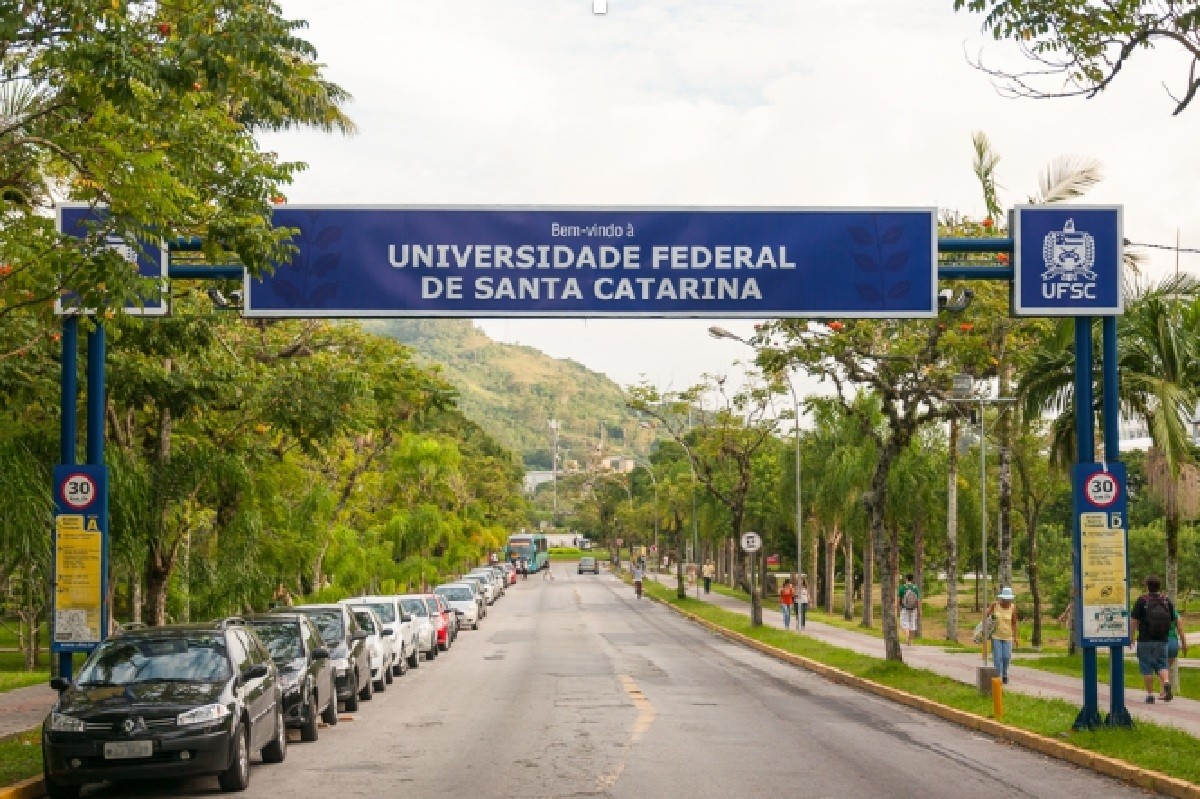
The Federal University of Santa Catarina (UFSC) has opened registrations for three special admission processes, offering opportunities for indigenous, quilombola, persons with disabilities (PCD), and transgender individuals. These selective processes are for the 2027 academic year and aim to diversify the student body across UFSC's five campuses. Applications are exclusively online through the UFSC website.
The first process targets supplementary vacancies for indigenous, quilombola, PCD, and trans candidates who have completed or are nearing completion of high school. Applications for this free process are open from July 15 to August 20, 2026, with exams scheduled for October 18, 2026, across various cities in Santa Catarina. The second process is the UFSC 2027 Libras Letters Vestibular, which has a R$ 115 application fee, with fee waiver requests available until August 6, 2026. This vestibular is for 100% of the vacancies in the Libras Letters Bachelor's and Licentiate courses, prioritizing deaf candidates. The third process is for the Intercultural Indigenous Licentiate program, offering 45 places for Guarani, Kaingang, and Xokleng-Laklãnõ indigenous individuals. Applications are free from July 15 to August 31, 2026, and admission will be based on high school academic records, with no entrance exam. This program reserves two-thirds of each group's vacancies for basic education professionals.
UFSC's proactive approach to admissions, establishing dedicated pathways for indigenous, quilombola, PCD, and transgender applicants, alongside specific programs like Libras Letters and Intercultural Indigenous Licentiate, reflects a strategic institutional commitment to equity and inclusion. These initiatives address historical underrepresentation and aim to foster a more diverse academic environment. The inclusion of supplementary vacancies and targeted recruitment for specific demographic groups, as well as prioritizing deaf candidates in the Libras program, demonstrates a nuanced understanding of access barriers. By basing admissions for the Intercultural Indigenous program on academic records rather than a standardized test, UFSC acknowledges the unique educational journeys of these communities and potentially broadens access to higher education for those who might face challenges with traditional examination formats. This multi-pronged strategy aligns with broader societal trends toward recognizing and rectifying systemic inequalities within educational institutions.
AI-generated to prompt reflection — not editorial opinion, not advice, not a statement of fact. How this works.