UFSM Research Details How Forests Mitigate Floods and Filter Pollutants
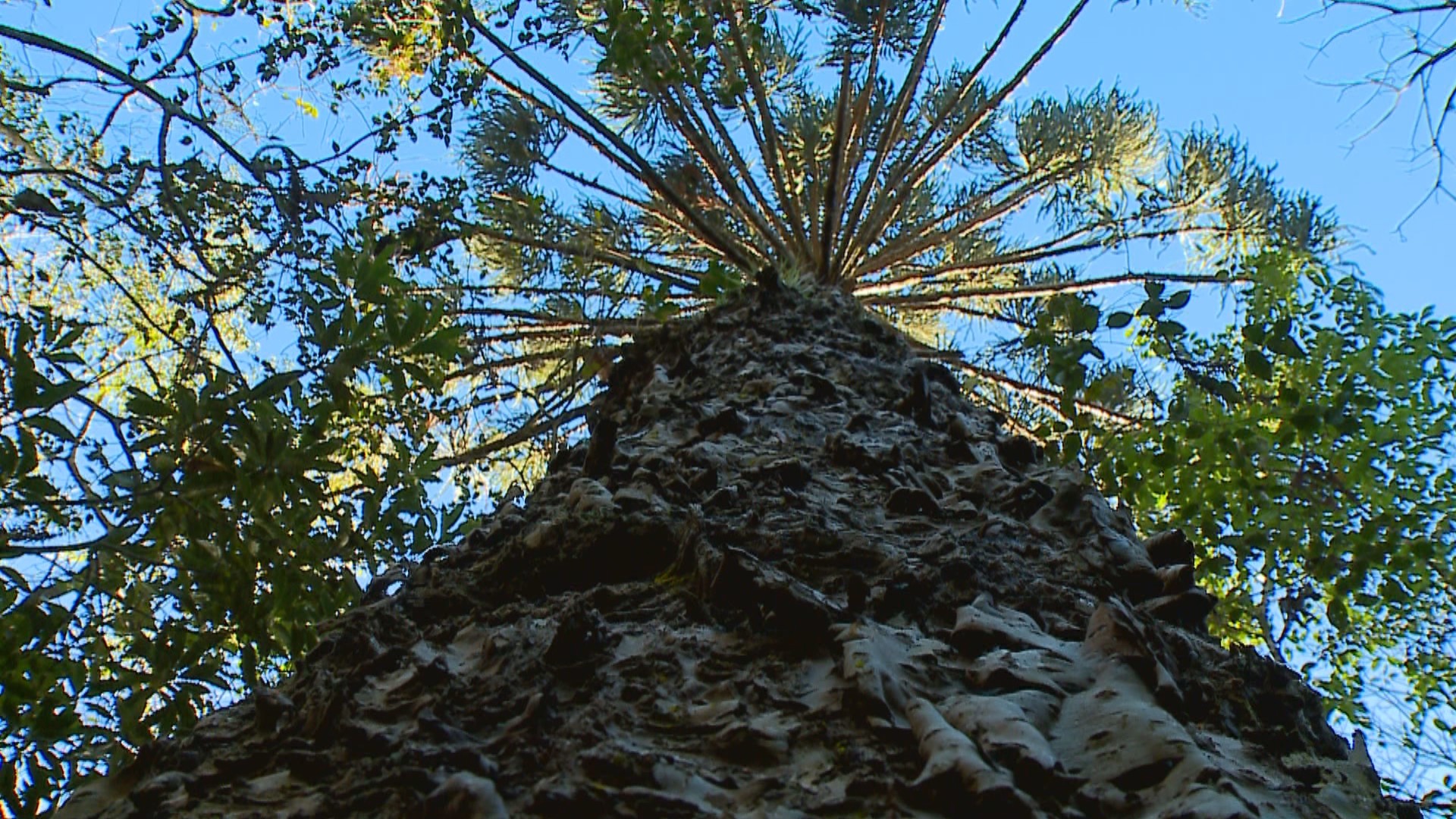
Research from the Federal University of Santa Maria (UFSM) in Rio Grande do Sul, Brazil, highlights the crucial role of native forests, which cover about 15% of the state's territory, in mitigating the impacts of intense rainfall in urban areas. The study explains that trees act as natural barriers, retaining some rainwater in their canopies before it reaches the ground. When rain does hit forest floors, it tends to infiltrate the soil and become stored in the organic matter layer formed by leaves and branches. Mauro Schumacher, a professor at UFSM's Department of Forest Sciences, notes that this organic material significantly reduces surface runoff, preventing rapid water flow over the land. This water retention and absorption capacity is believed to have lessened the effects of the 2024 floods in Rio Grande do Sul, with researchers suggesting that damages could have been more severe without these forested areas. Pedro Borges, a doctoral student in Forest Engineering, emphasizes that forests serve both as a preventive measure against extreme events and as a mitigation tool for their impacts, reducing social, environmental, and economic consequences. The research, conducted at UFSM's Botanical Garden, involved analyzing data from collectors in both open and vegetated areas. These instruments measured not only rainwater but also chemical substances deposited from the atmosphere. The study found that trees also function as natural filters, trapping airborne particles, including dust from the Sahara Desert and residues from wildfires in Brazil's Center-West region. Schumacher points out that atmospheric deposition, exacerbated by climate change, can influence soil, water, biodiversity, and human well-being. The UFSM team concludes that expanding and preserving forest cover is a vital strategy for protecting water resources and enhancing urban resilience to climate change, ultimately benefiting society through reduced flood impacts and improved ecosystem health.
This research underscores the critical ecosystem services provided by forests, particularly in the context of increasing extreme weather events and atmospheric pollution. The study quantifies how natural infrastructure, specifically forest cover, can reduce hydrological risks like flooding and improve air quality by filtering pollutants. This perspective offers a valuable counterpoint to purely engineered solutions for disaster mitigation and environmental protection. It highlights the economic and social benefits derived from natural capital, suggesting that investments in forest conservation and expansion can yield significant returns in terms of resilience and public health. The findings also implicitly point to the systemic risks associated with deforestation and land-use change, which diminish these protective services. In an era of escalating climate impacts, understanding and valuing these natural processes is essential for sustainable urban planning and resource management, promoting a more integrated approach that leverages both natural and built environments.
AI-generated to prompt reflection — not editorial opinion, not advice, not a statement of fact. How this works.