UFU Students Unveil First Electric Car, Set for National Competition
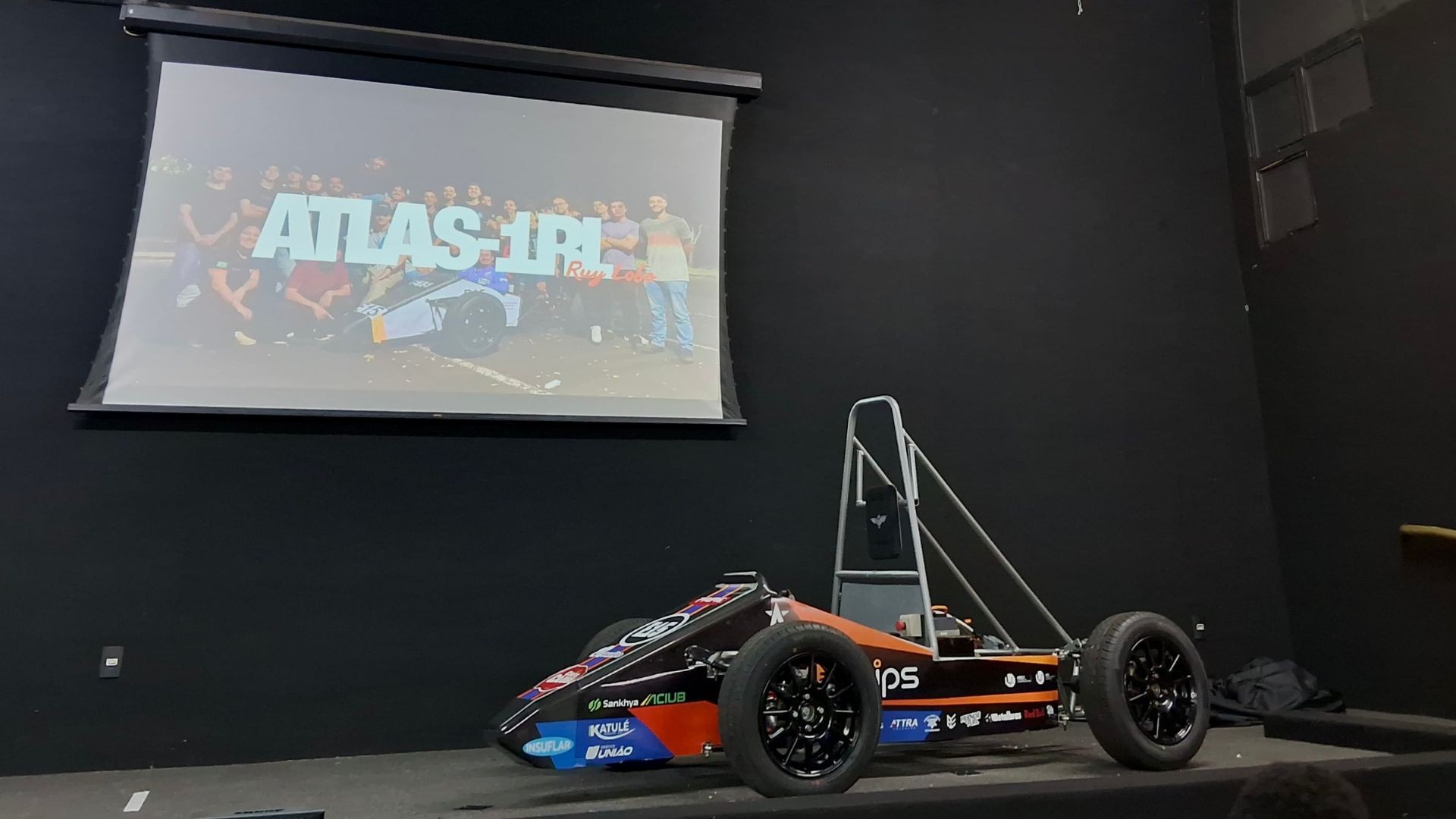
Students from the Federal University of Uberlândia (UFU) have developed the institution's first electric car, named Atlas-1RL. This prototype was created by members of the Laboratory of Automotive and Urban Mobility (Lamau) within the UFU's School of Electrical Engineering. The Atlas-1RL will represent UFU at the 22nd Formula SAE Brasil competition, a national event for university automotive engineering teams. The competition is scheduled to take place from July 29 to August 2 at the Ford Development and Testing Center in Tatuí, São Paulo. Top-ranking teams from this event will earn the opportunity to represent Brazil in two international competitions held in the United States. The vehicle's development took approximately two years, drawing inspiration from Formula 1 cars while incorporating necessary adaptations for the competition rules. Around 200 individuals, including students, technicians, and professors, contributed to its creation. The car features a carbon fiber body and chassis, with all electrical components, from the motor to the vehicle's structure, designed and produced by the university team. Beyond the technical aspects, students are also responsible for project management, planning, organization, and maintaining relationships with corporate sponsors, all of which are evaluated in the Formula SAE competition. This project aims to foster technologies with potential industrial applications and market solutions, contributing to societal transformation. Partnerships with companies have been crucial, providing students with real-world professional experience and aiding in the development of innovative market solutions.
This initiative by UFU students exemplifies a growing trend in higher education, integrating academic learning with practical engineering and project management skills. The development of an electric vehicle prototype for a national competition highlights the potential for universities to become hubs for technological innovation. The project's emphasis on student-led management and corporate partnerships underscores the importance of interdisciplinary education, preparing students not only for technical roles but also for business and leadership positions. Such hands-on experiences can accelerate the validation of new automotive technologies and foster entrepreneurial thinking, potentially leading to significant advancements in the automotive industry and contributing to broader societal goals like sustainable mobility.
AI-generated to prompt reflection — not editorial opinion, not advice, not a statement of fact. How this works.