Uganda Discharges Last Ebola Patient Amid WHO Concerns Over DR Congo Outbreak
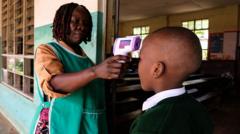
Uganda has officially discharged its last patient who was suffering from the Ebola virus, marking a significant moment of relief for the nation. This positive development comes at a time when the World Health Organization (WHO) is expressing serious concerns about the rapid spread of the virus in the neighboring Democratic Republic of Congo (DRC). The WHO chief has issued a warning highlighting the escalating situation in the DRC, suggesting that the outbreak there poses a substantial threat. While Uganda celebrates this milestone, the focus is now shifting to the ongoing challenges faced by the DRC and the broader regional implications of the epidemic. The WHO is likely to intensify its efforts and resources towards containing the outbreak in the DRC, given the proximity and the potential for further cross-border transmission. This situation underscores the critical importance of robust public health infrastructure and international cooperation in managing infectious disease outbreaks.
The successful discharge of Uganda's last Ebola patient signifies a victory for public health interventions and disease containment strategies. However, the concurrent surge in cases within the Democratic Republic of Congo presents a stark contrast, highlighting the uneven progress in regional epidemic control. This disparity underscores the persistent challenges of resource allocation, healthcare infrastructure disparities, and the complex socio-political factors that can impede effective outbreak management in different contexts. The WHO's warning emphasizes the interconnectedness of global health security, where localized outbreaks can rapidly escalate into regional or even international concerns, particularly in the face of evolving viral threats and the potential for increased human mobility. Future strategies must therefore focus on strengthening early warning systems and ensuring equitable access to medical countermeasures across all affected areas to mitigate such risks.
AI-generated to prompt reflection — not editorial opinion, not advice, not a statement of fact. How this works.