UK Alcohol-Free Beer Growth Faces Regulatory Hurdles, Warns Trade Group
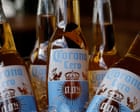
The British Beer and Pub Association (BBPA) has cautioned that stringent regulations are hindering the burgeoning alcohol-free beer market in the UK. The trade body argues that current rules, which define alcohol-free beer as having up to 0.05% alcohol by volume (ABV), are too restrictive. The BBPA is advocating for this definition to be broadened to 0.5% ABV, aligning with European Union standards. This change would allow pubs and brewers to better capitalize on the increasing consumer demand for these beverages. The BBPA highlighted the significant growth in this sector, forecasting that over 64 million pints of low- and no-alcohol beer will be sold this summer. This projection represents an increase of 8 million pints compared to the summer of 2025, underscoring the category's substantial and sustained popularity. The association emphasized that this trend indicates the alcohol-free beer market is a lasting phenomenon rather than a temporary trend.
The BBPA's concerns highlight a potential conflict between regulatory frameworks and evolving consumer preferences in the beverage industry. While the association champions a definition change to 0.5% ABV to align with international standards and foster market growth, regulators may prioritize public health objectives and consumer clarity regarding alcohol content. This situation presents a classic policy challenge: balancing economic opportunity and industry innovation against established safety and labeling protocols. Over the next decade, as health-conscious consumption patterns continue to shape markets, policymakers may need to reassess existing definitions to accommodate product diversification. The BBPA's argument suggests that a rigid adherence to outdated definitions could stifle a growing segment, potentially leading to missed economic benefits and a lag in product innovation compared to global competitors. Future policy decisions will likely hinge on empirical data regarding consumer understanding and the actual public health impact of slightly higher alcohol-free thresholds.
AI-generated to prompt reflection — not editorial opinion, not advice, not a statement of fact. How this works.