UK Baby Undergoes Groundbreaking In-Utero Surgery for Gastroschisis
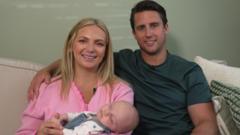
Theo, a baby from Britain, has become the first in the country to undergo in-utero surgery to correct gastroschisis, a complex condition where the intestines develop outside the body. This pioneering procedure was performed as part of a clinical trial aimed at improving outcomes for infants with this condition. Gastroschisis requires immediate surgical intervention after birth to return the organs to the abdomen and repair the abdominal wall. However, performing the surgery while the baby is still in the womb presents a significant advancement. This trial represents a major step forward in fetal surgery, potentially offering new hope and treatment options for severe congenital anomalies. The success of this operation could pave the way for similar interventions in the future, reducing the need for complex postnatal surgeries and their associated risks.
This successful in-utero surgical intervention for gastroschisis marks a significant advancement in fetal medicine. By addressing the condition before birth, the clinical trial aims to mitigate the severe complications and lengthy recovery periods often associated with postnatal surgery. The long-term implications for neonatal care and the potential to expand this technique to other congenital anomalies warrant close observation. Future research will likely focus on refining surgical techniques, assessing the long-term developmental outcomes for patients, and understanding the ethical and resource allocation considerations of widespread fetal surgery adoption within healthcare systems.
AI-generated to prompt reflection — not editorial opinion, not advice, not a statement of fact. How this works.
