UK Education Reform: Andy Burnham Champions Vocational Schools Over University Degrees
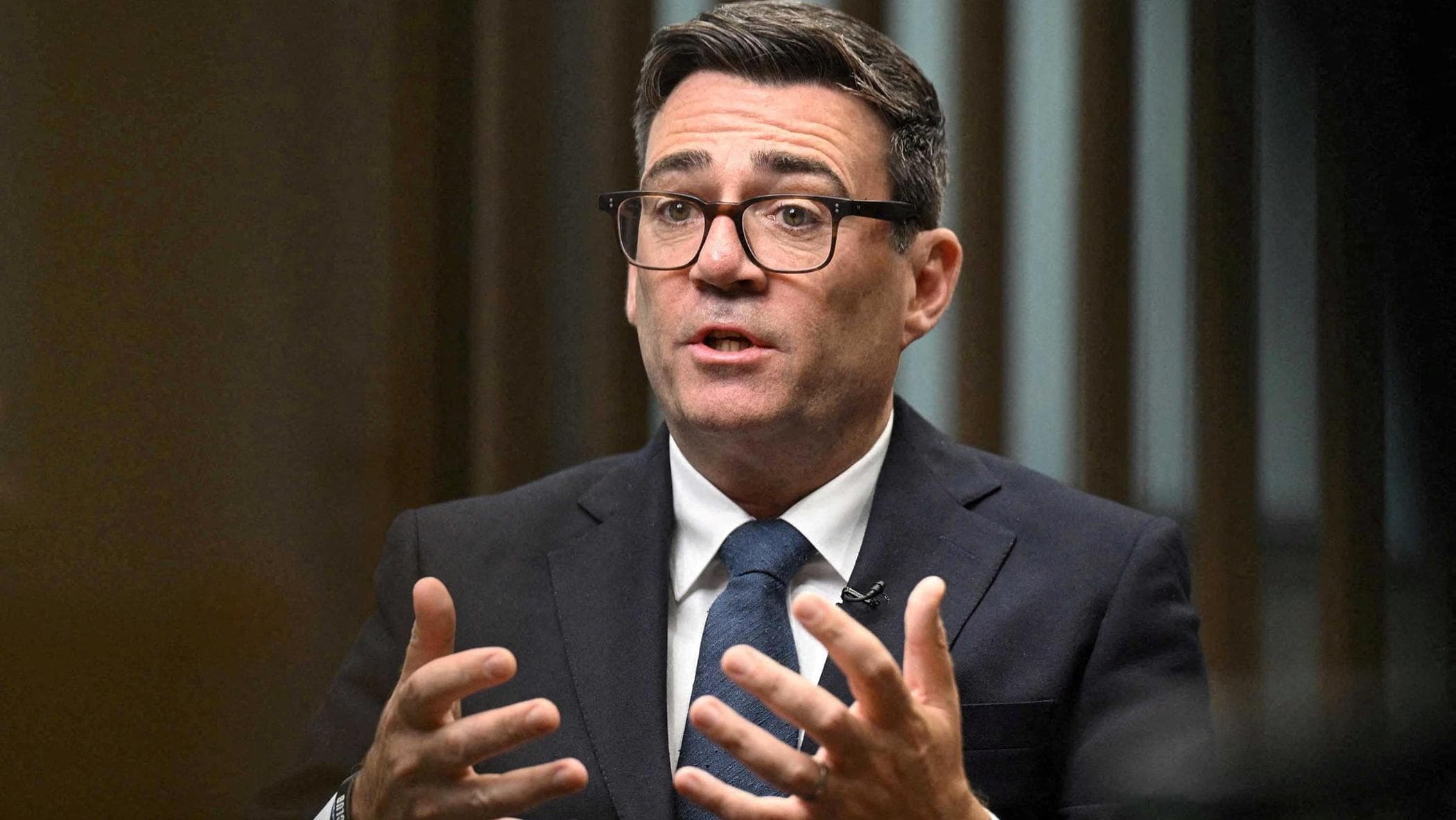
Andy Burnham, the new British Prime Minister, is spearheading a significant reform of the vocational education system, targeting 14-year-olds. This initiative aims to elevate the status of vocational training, asserting that skills learned in trades, symbolized by a 'hard hat,' should hold the same societal value as a university degree. Burnham's reform directly challenges the long-held educational philosophy of Tony Blair, which promoted the idea that half of all high school graduates should attend university. This shift in educational policy has ignited a national debate across Britain regarding the future direction of schooling and career pathways. The proposal seeks to create a more balanced educational landscape, recognizing the importance and dignity of practical, hands-on skills alongside traditional academic pursuits. By de-emphasizing university as the sole marker of success, Burnham intends to provide more viable and respected alternatives for young people entering the workforce. The reform is expected to influence curriculum development and funding priorities within the education sector.
The proposed educational reform in the UK signals a potential recalibration of societal value placed on different post-secondary pathways. By advocating for parity between vocational and academic qualifications, the initiative addresses the economic and social pressures stemming from an overemphasis on university degrees, which can lead to underemployment and student debt. This strategic shift may align with future labor market demands, which increasingly require specialized technical skills alongside adaptability. The reform's success will likely depend on robust investment in vocational infrastructure, curriculum modernization, and public perception campaigns to ensure these pathways are genuinely valued and lead to sustainable careers. It also prompts consideration of how educational systems can better serve diverse student aptitudes and economic realities in the coming decade.
AI-generated to prompt reflection — not editorial opinion, not advice, not a statement of fact. How this works.