UK Foreign Secretary warns of AI's existential threat, likening it to Hiroshima
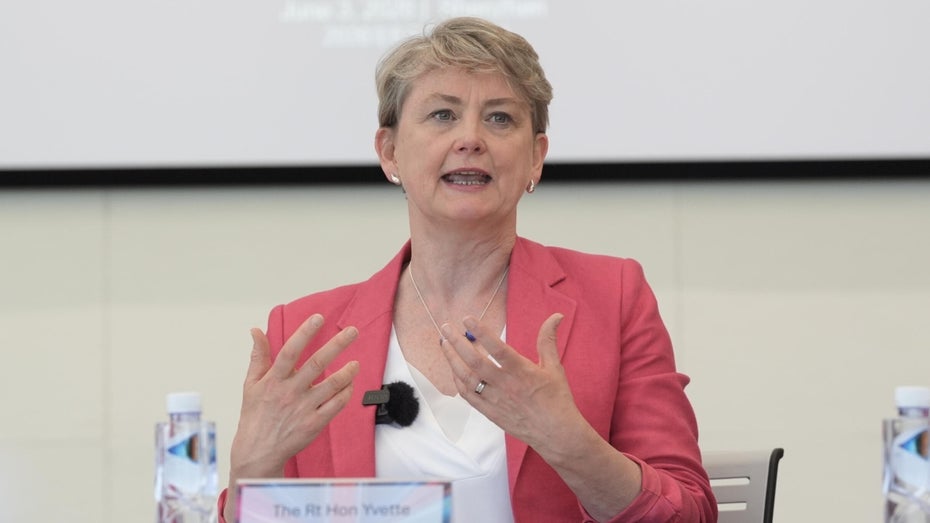
British Foreign Secretary has called for urgent regulation of the rapidly advancing field of Artificial Intelligence. She expressed grave concerns that AI poses an existential threat to humanity, drawing a stark parallel to the devastating impact of the first atomic bomb dropped on Hiroshima. The minister emphasized the unprecedented boom in AI development necessitates swift and comprehensive regulatory measures to mitigate potential catastrophic risks. Her warning highlights the growing international apprehension regarding the unchecked proliferation and development of AI technologies. The urgency of her statement underscores the perceived need for global cooperation and governance frameworks to manage AI's future trajectory. This call for regulation reflects a broader debate about balancing innovation with safety in the face of transformative technologies. The comparison to Hiroshima signifies the perceived scale of potential destruction if AI is not adequately controlled.
AI's rapid advancement presents a complex governance challenge, balancing innovation against potential existential risks. The analogy to Hiroshima, while potent, frames the issue through a historical lens of catastrophic weaponry, potentially overshadowing the more nuanced, systemic risks AI may introduce, such as societal disruption, economic inequality, and autonomous decision-making in critical infrastructure. Future regulatory frameworks will need to consider the distributed nature of AI development and its potential for both immense benefit and unforeseen consequences, necessitating adaptive, internationally coordinated approaches rather than solely reactive measures. The core tension lies in fostering AI's positive potential while establishing robust safeguards against unintended or malicious applications within the next decade.
AI-generated to prompt reflection — not editorial opinion, not advice, not a statement of fact. How this works.