UK Government Faces Criticism Over Planned Aid Reductions
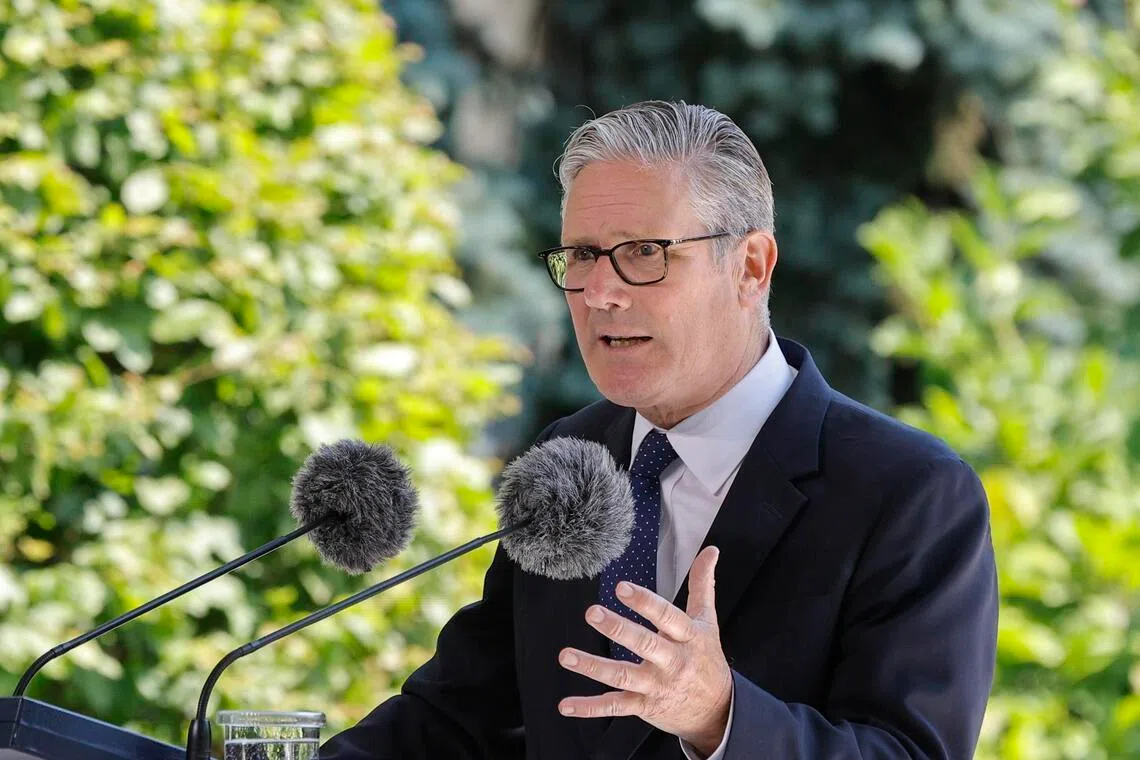
The British government is currently facing significant criticism following the announcement of substantial cuts to its foreign aid budget. These reductions are slated to take effect in 2025. The stated intention behind these cuts is to reallocate funds towards bolstering the nation's defense spending. Prime Minister Keir Starmer made the announcement regarding these planned changes. The move has drawn sharp reactions from various groups who view the cuts as detrimental to international development and humanitarian efforts. Critics argue that the reduction in aid could have far-reaching negative consequences for recipient countries and global stability. The government's decision to prioritize defense over overseas development assistance has ignited a debate about the UK's role and responsibilities on the world stage.
The UK government's decision to reduce foreign aid to increase defense spending represents a strategic reallocation of national resources. This shift reflects evolving geopolitical priorities, potentially driven by perceived international security challenges. Such a move necessitates a careful balancing act between domestic security imperatives and long-term international development commitments. The long-term implications for diplomatic influence, soft power, and global cooperation warrant consideration, as do the potential impacts on the effectiveness of international aid organizations and the well-being of vulnerable populations. Evaluating the efficacy and ethical considerations of this resource allocation strategy against the backdrop of global interconnectedness and future stability is crucial.
AI-generated to prompt reflection — not editorial opinion, not advice, not a statement of fact. How this works.