UK GPs' Breast Cancer Guidelines Miss 95% of Young Women Developing Disease
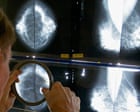
Current guidelines used by General Practitioners (GPs) in England for breast cancer risk assessment are failing to identify 95% of women under 50 who will develop the disease, according to new research. This oversight means many young women are not being referred for early diagnostic tests or preventive treatments. The findings, stemming from research by the University of Cambridge and the Institute of Cancer Research (ICR) in London, suggest that the criteria set by the National Institute for Health and Care Excellence (Nice) are inadequate for spotting the majority of pre-menopausal women at risk. Consequently, these women may not receive timely interventions, potentially impacting their prognosis. The study highlights a significant gap in the current system, prompting calls for a review of the Nice guidelines. Experts believe that revising these criteria could lead to earlier detection and improved outcomes for a vulnerable patient group. The research specifically focuses on the next 10-year period for disease development in women under 50. This situation underscores the need for updated diagnostic pathways that better account for the diverse risk factors and presentations of breast cancer across different age groups.
The research points to a potential systemic failure in early breast cancer detection for younger women in England, driven by outdated referral criteria. This discrepancy between guideline recommendations and actual disease incidence suggests that the current risk stratification model may not adequately capture the biological or epidemiological nuances of breast cancer in pre-menopausal populations. The reliance on specific criteria, rather than a more holistic or personalized risk assessment approach, could lead to delayed diagnosis and treatment, impacting patient outcomes and potentially increasing healthcare costs associated with later-stage disease management. A review of these guidelines, informed by updated epidemiological data and potentially incorporating advanced risk prediction tools, is warranted to ensure equitable access to timely care and to align public health strategies with evolving medical understanding.
AI-generated to prompt reflection — not editorial opinion, not advice, not a statement of fact. How this works.
