UK Inflation Eases to 2.6% in June, Offering Brief Respite
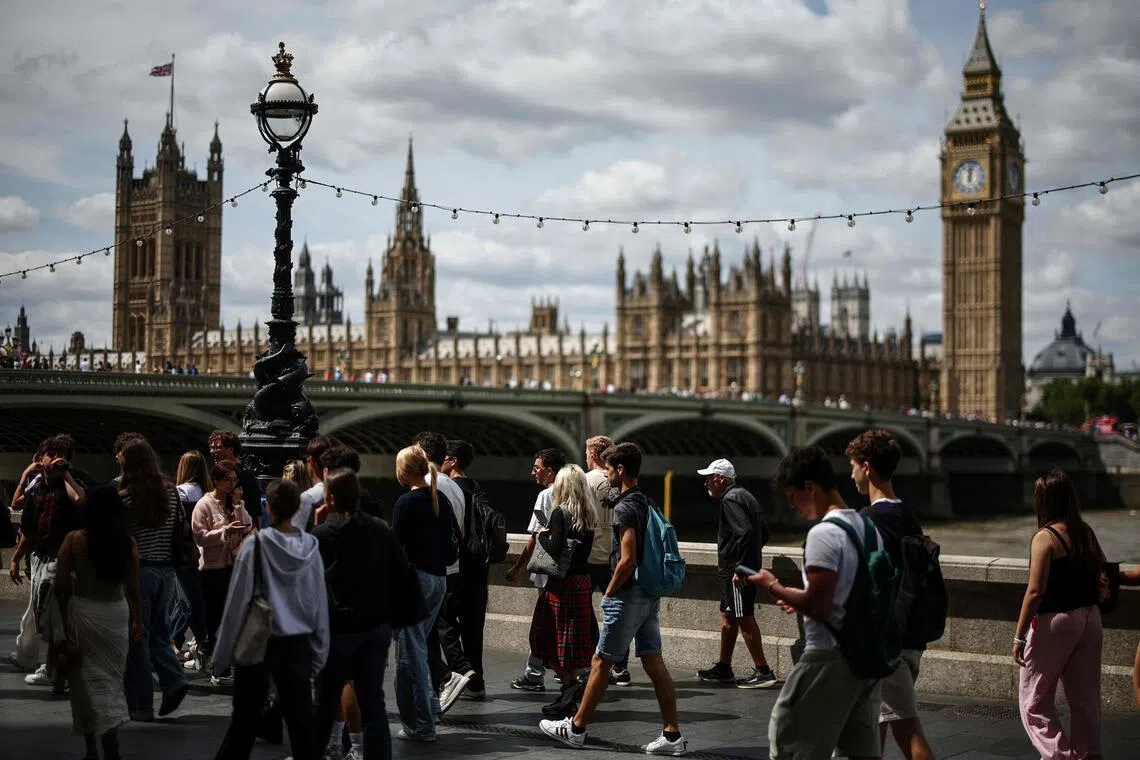
British consumer prices saw a notable slowdown in June, with annual inflation falling to 2.6 percent. This decrease provides a temporary positive development for Prime Minister Burnham's administration. The figures indicate a cooling of price pressures that have been a significant concern for households and the economy. While this dip offers some relief, the long-term implications for the UK's economic stability and the government's fiscal policies remain to be seen. Further data releases in the coming months will be crucial in determining whether this trend is sustainable or a short-lived anomaly. The government will be closely monitoring these indicators as it navigates the current economic climate.
The recent deceleration in UK inflation to 2.6% in June presents a complex economic signal. While a lower inflation rate can alleviate consumer purchasing power erosion and potentially ease pressure on the Bank of England regarding interest rate hikes, it also warrants careful scrutiny. The temporary nature of this "boost" suggests underlying inflationary pressures may persist, influenced by global supply chain dynamics, energy costs, and labor market conditions. Policymakers face the challenge of balancing immediate relief with long-term price stability objectives. The government's response will likely involve assessing whether this slowdown is a precursor to sustained disinflation or a fleeting market fluctuation, impacting future fiscal and monetary strategy decisions.
AI-generated to prompt reflection — not editorial opinion, not advice, not a statement of fact. How this works.