UK Labour Elects Burnham as Leader, Pledging Wealth Redistribution
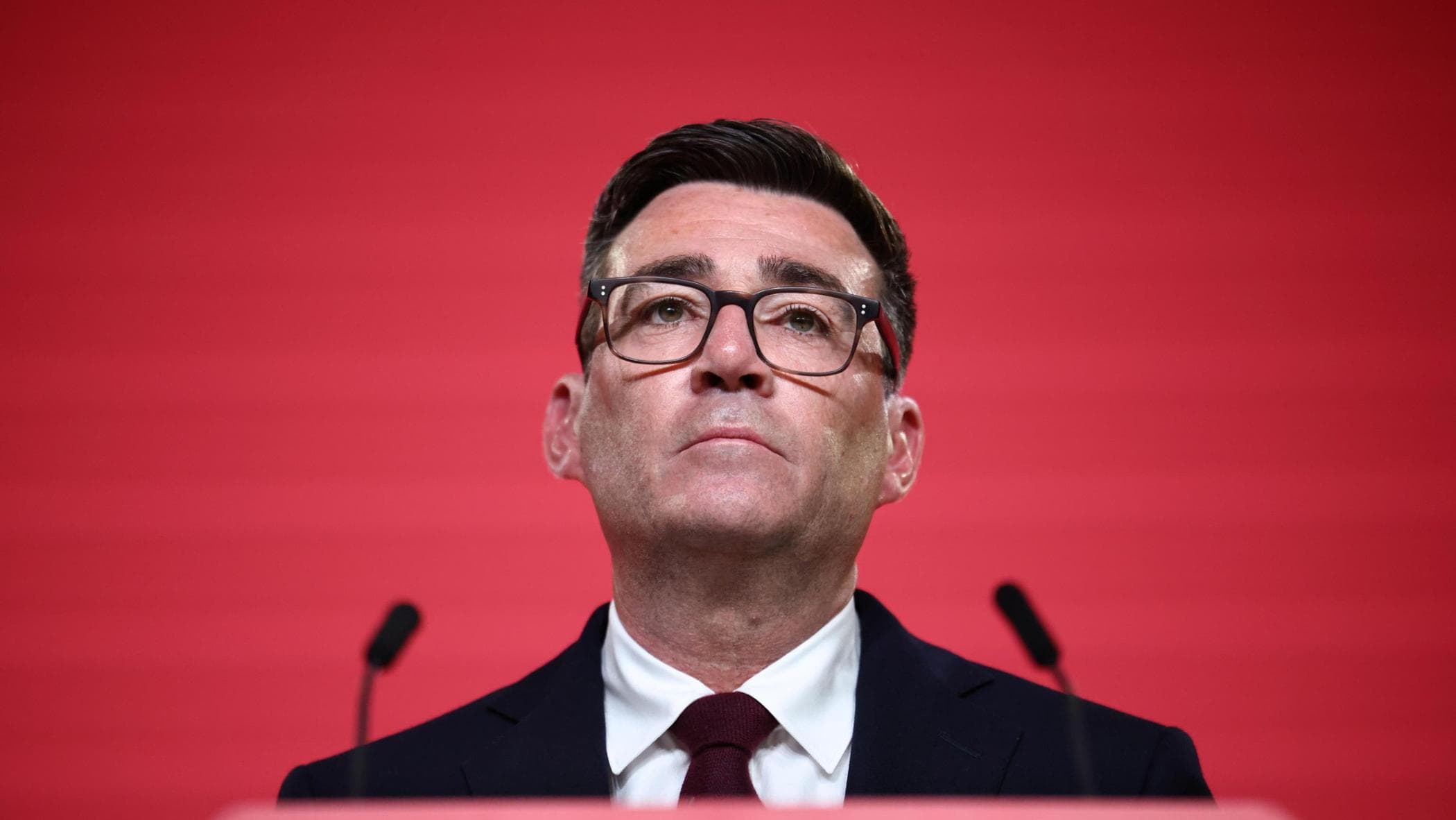
Former Manchester Mayor Andy Burnham has been elected as the new leader of the Labour Party in the UK. He is set to become Prime Minister on Monday. Burnham expressed gratitude to his predecessor, Keir Starmer, and paid tribute to Neil Kinnock. His platform emphasizes devolution of power and a focus on the working class. Burnham has explicitly stated his intention to redistribute wealth and move away from neoliberal policies. The election results have drawn commentary from tabloids, with some suggesting this shift could signal a return to the economic policies of the 1970s.
The election of Andy Burnham as Labour leader, with a stated agenda of wealth redistribution and a rejection of neoliberalism, signals a potential shift in UK economic policy. This move could reflect a growing public sentiment for greater social equity and a critique of market-driven policies. The reference to the 1970s by tabloids highlights the historical context and potential economic challenges associated with such a policy pivot. Future governance will likely involve navigating complex trade-offs between stimulating economic growth and addressing wealth inequality, potentially through fiscal policy and regulatory adjustments. The emphasis on devolution also suggests a broader restructuring of governance and economic power within the UK.
AI-generated to prompt reflection — not editorial opinion, not advice, not a statement of fact. How this works.