UK Nationalizes Steel Company, China Expresses Strong Opposition
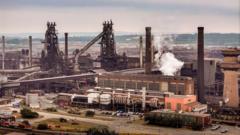
The British government has announced its decision to nationalize a steel company, stating that this move will safeguard a critical national capability. This action has drawn a strong reaction from China, which has declared its "resolute opposition" to the nationalization, citing concerns over the infringement of Chinese capital interests. The Chinese government views this decision as a potential threat to the rights and investments of Chinese companies operating within the UK's steel sector. Further details regarding the specific company and the extent of Chinese investment were not provided in the initial announcement. The implications of this nationalization on international trade relations and foreign investment policies are yet to be fully understood.
The UK's decision to nationalize a steel company, framed as a measure to secure a vital national asset, presents a complex interplay of industrial policy and international investment. From a systemic perspective, such actions can signal a government's strategic prioritization of key industries, potentially driven by concerns over supply chain resilience, national security, or economic competitiveness in a globalized market. However, this move directly impacts foreign capital, prompting a response from China that highlights the inherent tension between national sovereignty in economic matters and the principles of free trade and foreign investment protection. The situation underscores the evolving landscape of global industrial policy, where national interests may increasingly diverge from international economic norms, creating potential friction points for bilateral relations and global market stability in the coming decade.
AI-generated to prompt reflection — not editorial opinion, not advice, not a statement of fact. How this works.