UK Parties Boycott Farage's By-Election, Calling it a 'Sham'
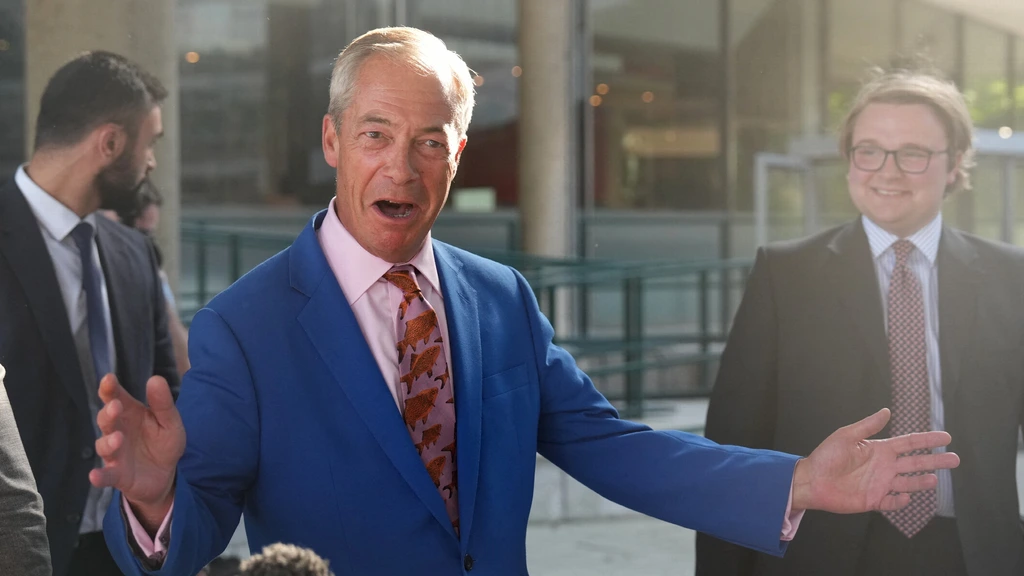
Major British political parties have announced they will not contest the by-election for Nigel Farage's vacated seat in Clacton, labeling the race a "circus" and a "sham election." Farage, leader of the Reform party, resigned his parliamentary seat yesterday after facing scrutiny over an investigation into his finances. In a televised address, he denied wrongdoing but stated he was stepping down to seek a fresh mandate from his constituents. He framed the election as an opportunity for the people of Clacton to reject the "establishment."
However, the Labour Party, led by Prime Minister Starmer, refused to participate, with a spokesperson calling it a "circus" and a desperate attempt by Farage to change the subject. The Conservative Party leader, Badenoch, dismissed the by-election as a publicity stunt aimed at distracting from fraud allegations. The Liberal Democrats, Green Party, and Restore Britain have also opted out of the race. The Monster Raving Loony Party, led by comedian Jon Harvey under the persona Count Binface, appears to be the only exception.
Political analyst Casper Kirkels suggests the boycott is a strategic move by other parties. They may be hoping the election becomes embarrassing for Farage, preventing him from claiming a popular victory. Furthermore, a return to Parliament would allow the investigation into Farage's finances to resume. If found guilty, another election would be triggered, shifting the narrative to whether he broke rules, a situation Farage would find harder to control.
The decision by multiple UK parties to boycott the Clacton by-election, initiated by Nigel Farage's resignation amidst financial scrutiny, highlights a strategic political maneuver. By refusing to field candidates, these parties aim to delegitimize Farage's attempt to regain his seat, framing it not as a democratic endorsement but as a self-serving tactic to evade accountability. This boycott could deny Farage the uncontested victory he likely seeks, potentially undermining his narrative of popular support against the establishment. The situation also raises questions about electoral integrity and the use of parliamentary privilege versus ongoing investigations. The refusal to participate, while appearing principled, also allows these parties to avoid the immediate cost and political risk of a by-election campaign, while potentially positioning themselves to benefit if Farage faces further repercussions.
AI-generated to prompt reflection — not editorial opinion, not advice, not a statement of fact. How this works.