UK Physics Labs Face 'Commercialize or Close' Dilemma
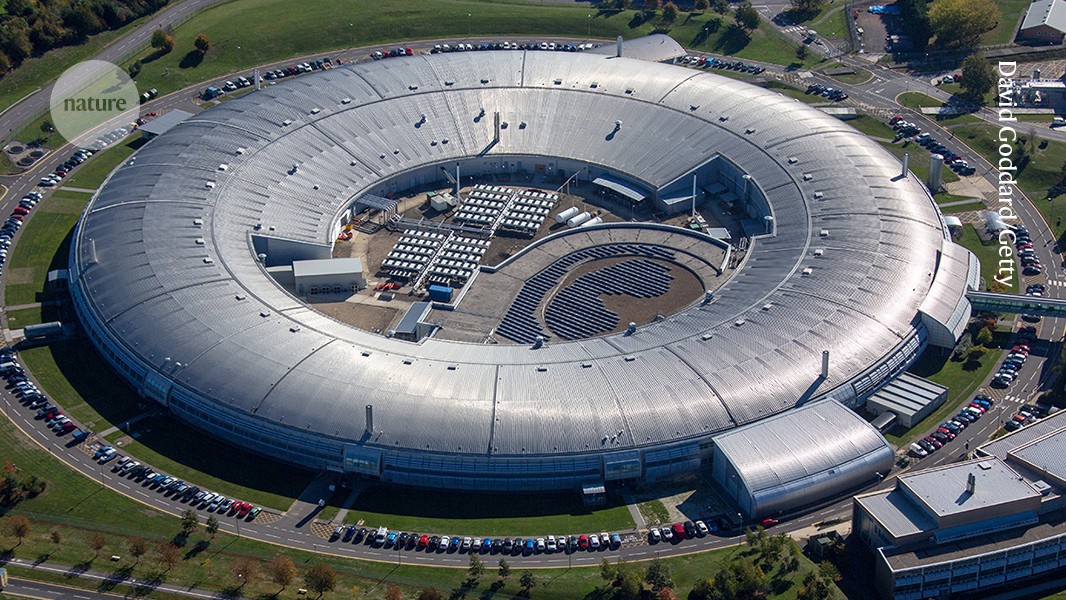
Physics research facilities in the United Kingdom are confronting a critical decision: either find ways to commercialize their operations or face closure. This stark choice highlights the ongoing challenges in funding fundamental scientific research in the country. The facilities in question are vital for advancing knowledge in various physics disciplines, but their current funding models appear unsustainable.
Officials and researchers are exploring avenues to bridge the gap between academic research and commercial application. This could involve fostering stronger ties with industry, seeking private investment, or developing new revenue streams from existing infrastructure and expertise. The urgency stems from the potential loss of cutting-edge research capabilities and the impact on the UK's scientific competitiveness on a global scale. The outcome of this decision will have significant implications for the future of physics research and innovation within the United Kingdom.
The dilemma faced by UK physics facilities underscores a broader global tension between the pursuit of fundamental scientific knowledge and the economic pressures of commercial viability. Governments and research institutions worldwide grapple with allocating finite resources, often balancing the long-term societal benefits of basic research against immediate demands for tangible economic returns. This situation prompts consideration of alternative funding models, such as public-private partnerships or endowments, that could provide more stable support for research infrastructure. Examining the incentive structures that drive both scientific discovery and commercialization may reveal pathways to ensure the sustainability of critical research capabilities without compromising their core mission.
AI-generated to prompt reflection — not editorial opinion, not advice, not a statement of fact. How this works.