UK PM Andy Burnham Reshuffles Cabinet, Appointing New Key Ministers
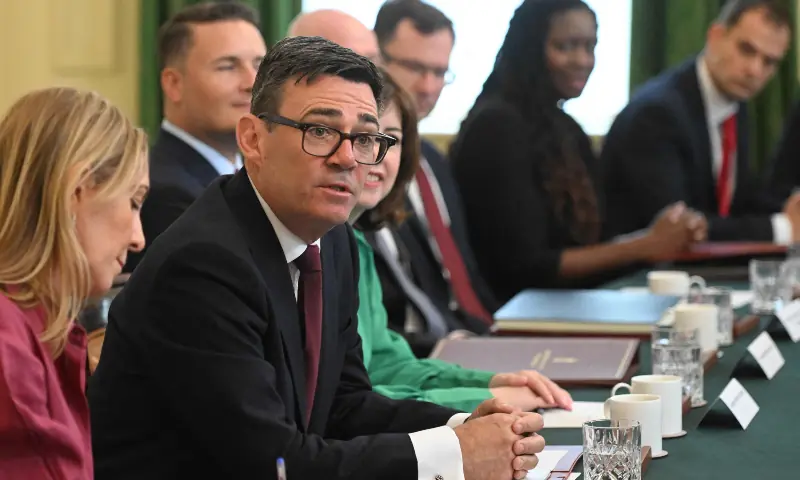
British Prime Minister Andy Burnham convened his first cabinet meeting on Tuesday, July 21, 2026, following a significant reshuffle that saw several key figures removed or reassigned. John Healey, a veteran Labour politician, has made a surprising return to government as the new Chancellor of the Exchequer. Healey, 66, who previously served as Defence Secretary and advocated for increased military spending and a strong stance against Russian aggression, brings nearly three decades of parliamentary experience representing a northern English constituency. Ed Miliband, a former leader of the Labour Party, has been appointed as the new Foreign Secretary. Miliband, who had a political comeback after a period out of the spotlight, previously served as energy security minister and campaigned for a net-zero economy. Wes Streeting, 43, takes on the role of Defence Secretary, having resigned as Health Minister in May. His appointment, however, has drawn criticism from some quarters, including former Defence Secretary Ben Wallace, who viewed it as a sign of "contempt for Defence." Streeting has also faced scrutiny over his past associations. Shabana Mahmood, 45, returns as Home Secretary, a position she has held since 2025, vowing to continue her reforms of the UK's asylum system and reduce migration. Angela Rayner is reappointed as Housing Secretary, a portfolio she previously held before resigning in September over unpaid property tax, which she has since settled. Miatta Fahnbulleh, 46, becomes the new Secretary of State for Energy Security and Net Zero, taking over from Miliband. A relatively new MP, Fahnbulleh brings a background in economics and policy development. Yvette Cooper, 57, moves from Foreign Secretary to become the new Health Secretary, having previously held significant roles in housing and work and pensions, as well as serving as Home Secretary.
Prime Minister Andy Burnham's cabinet reshuffling on July 21, 2026, reflects a strategic realignment of leadership within the Labour Party. The appointments suggest a focus on experienced figures for critical economic and foreign policy roles, while potentially prioritizing loyalty and a fresh mandate for defense and energy portfolios. The inclusion of individuals with strong stances on issues like migration and military investment indicates a clear policy direction. However, the criticism surrounding the Defence Secretary appointment highlights potential challenges in balancing new leadership with established expertise and public perception. As the UK navigates complex geopolitical and economic landscapes in the coming decade, the effectiveness of these ministerial choices will be crucial in shaping national policy and public trust.
AI-generated to prompt reflection — not editorial opinion, not advice, not a statement of fact. How this works.