UK Prime Minister Keir Starmer Apologizes for Decades of Forced Adoptions
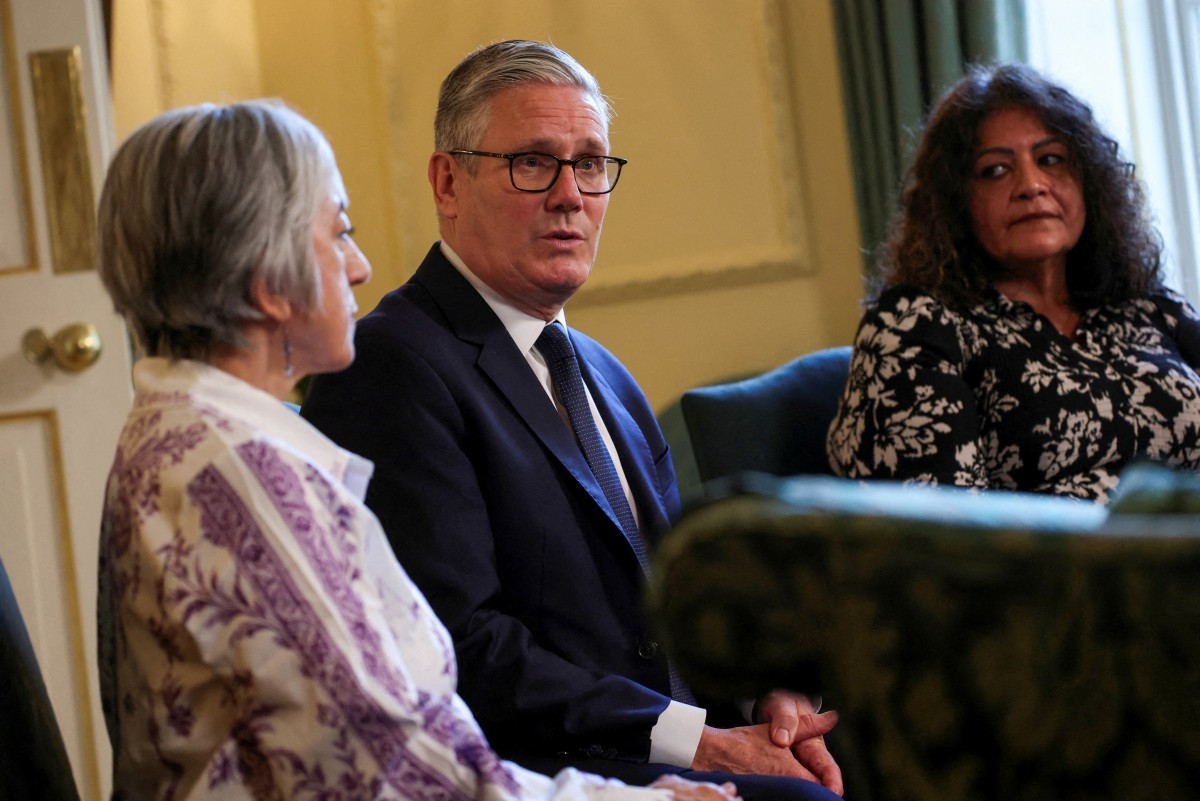
British Prime Minister Keir Starmer issued a formal apology on Thursday, July 2, 2026, for the historical practice of forced adoptions in the United Kingdom. The apology addresses the separation of over 185,000 children born to single mothers from their families in the decades following World War II. Starmer expressed deep and sincere regret to the mothers who were told they were unfit to raise their children and were prevented from caring for the offspring they desired, carrying this loss for decades. Between the late 1940s and mid-1970s, it is estimated that a significant number of babies born to single mothers were taken for adoption, often under intense pressure from various institutions. These institutions included hospitals, social services, charities, and religious organizations. The Prime Minister described the scandal as a "stain" on the UK's history during a parliamentary address. In many instances, mothers were persuaded or coerced into relinquishing their children, with justifications that they were not suitable parents or that the child would have a better future with a married family. Numerous mothers reported having very limited or no contact with their infants before they were placed for adoption. An independent investigation into these practices concluded that they constituted a grave injustice and recommended a formal government apology. Starmer stated that the shame associated with these events belongs to the nation, not the mothers, and conveyed profound regret on behalf of the entire country to all affected individuals. Prior to his parliamentary statement, the Prime Minister met with mothers and children who were victims of these forced adoptions at his Downing Street residence, acknowledging their "extraordinary courage."
The UK government's formal apology for historical forced adoptions addresses a significant societal injustice rooted in the mid-20th century's prevailing social norms and institutional practices concerning single mothers. This acknowledgment, occurring decades after the events, reflects evolving societal values and a greater emphasis on individual rights and family autonomy. The apology signals a governmental commitment to confronting past wrongs and potentially informs future policy regarding child welfare, parental rights, and support systems for vulnerable families. It also highlights the long-term impact of such policies and the importance of independent investigations in uncovering and validating historical grievances. The government's action may prompt further societal dialogue on accountability, reparations, and the systemic factors that enabled these practices, encouraging a more compassionate and equitable approach to family structures and child-rearing support in the present and future.
AI-generated to prompt reflection — not editorial opinion, not advice, not a statement of fact. How this works.