UK Prime Minister Keir Starmer Resigns Amid Political Pressure
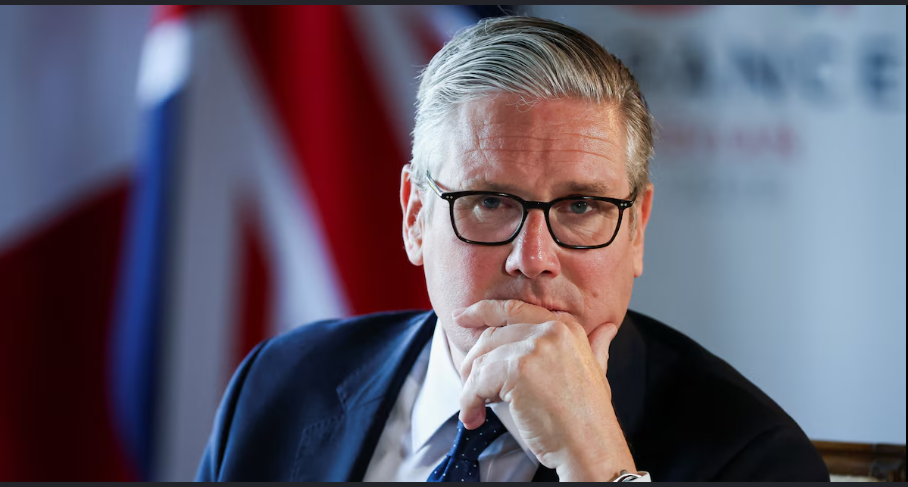
British Prime Minister Keir Starmer announced his resignation on Monday, following several weeks of intense political pressure. The announcement has sent shockwaves through Downing Street and created significant political turbulence in London. This decision comes amid a particularly tense climate in the United Kingdom, where the head of government had already been weakened by ongoing political challenges. The exact reasons and the timeline for the transition of power are expected to be clarified in the coming days. The political landscape in the UK is now facing a period of uncertainty as a result of this unexpected departure. Further details regarding the circumstances leading to his resignation are anticipated.
The resignation of Prime Minister Keir Starmer, attributed to significant political pressure, signals a critical juncture for the UK's governance. This event prompts an examination of the sustainability of leadership under sustained public and parliamentary scrutiny. The situation highlights the inherent systemic pressures within democratic leadership, where the capacity to navigate complex policy environments and maintain party unity are paramount. Future leadership will need to address the underlying factors that led to this instability, potentially through enhanced communication strategies and more robust stakeholder engagement. The long-term implications for policy continuity and public trust will depend on the effectiveness of the subsequent transition and the new administration's ability to project stability and clear direction in the evolving global and domestic landscape.
AI-generated to prompt reflection — not editorial opinion, not advice, not a statement of fact. How this works.