UK Proposes 'Digital Curfew' to Limit Teen Social Media Use Overnight
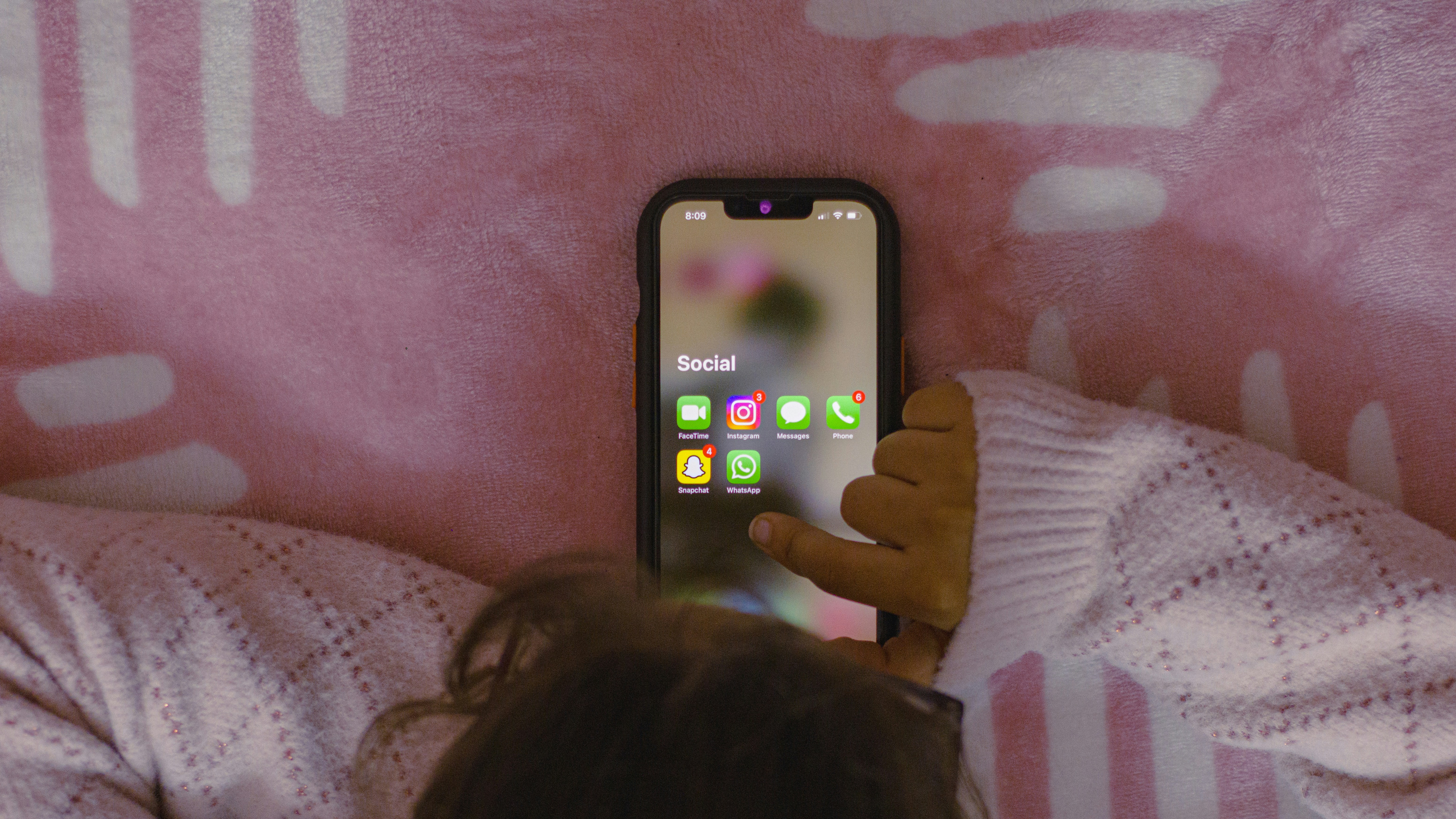
The UK government has announced plans to implement a 'digital curfew' aimed at restricting social media access for 16 and 17-year-olds between midnight and 6 AM. If enacted, this measure would prevent users in this age group from accessing platforms like Instagram, TikTok, and YouTube during overnight hours by default. Features designed to keep users engaged, such as auto-playing videos, would also be disabled by default under the proposed rules. While the block would not be mandatory and could be overridden, it represents a significant step in the UK's strategy to address youth mental health. This initiative follows a previous announcement in June to ban social media use for those under 16. UK Technology Minister Liz Kendall stated that these measures are vital for ensuring young people get adequate sleep, can focus on their studies, and spend more quality time with loved ones. A government study indicated that the digital curfew was the most sustainable measure for families and yielded consistent benefits for adolescent sleep patterns. The first regulatory proposal is expected to be presented to the UK parliament by the end of this year, with the government aiming for the measures to take effect in the second quarter of 2027. Other nations are also considering similar restrictions, with the EU contemplating a 'digital age of majority' and Australia facing challenges with age verification effectiveness in its social media ban for children.
The UK's proposed digital curfew for teenagers reflects a growing global concern over the impact of excessive social media use on youth mental health and development. By targeting overnight access, the policy aims to improve sleep hygiene and reduce digital dependency, potentially fostering better academic focus and social engagement. This approach acknowledges the addictive design of many platforms and seeks to reintroduce user control, particularly for a vulnerable demographic. However, the effectiveness will hinge on enforcement and the ability to circumvent default settings, as well as broader societal shifts in digital consumption. The initiative also raises questions about parental responsibility versus state intervention in regulating children's online lives and the potential for unintended consequences, such as pushing usage to less regulated platforms or times. As technology continues to evolve, balancing digital access with well-being will remain a critical challenge for policymakers worldwide.
AI-generated to prompt reflection — not editorial opinion, not advice, not a statement of fact. How this works.