UK Reform Party's Farage Faces Boycott in By-election Bid
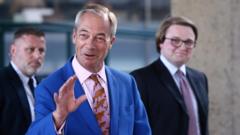
Nigel Farage, leader of the UK's Reform Party, is seeking to clear his name through a by-election amid an ongoing disciplinary investigation into allegations of improper benefit acceptance. However, his bid has been met with a swift and widespread boycott from major political parties across the nation. The situation marks a significant challenge for Farage as he attempts to use the electoral process to address the accusations against him. The broad opposition from other parties suggests a coordinated effort to distance themselves from the controversy surrounding Farage and the Reform Party. This by-election was intended as a platform for Farage to regain public trust and demonstrate his leadership capabilities. Instead, it has quickly become a focal point for political opposition and scrutiny. The outcome of this by-election, regardless of Farage's participation, is likely to have implications for the Reform Party's standing and Farage's political future.
The boycott of Nigel Farage's by-election bid by major UK political parties highlights the strategic challenges of navigating electoral politics amidst ethical investigations. This situation underscores the incentive structures that compel political actors to distance themselves from potential reputational risks, particularly when facing a figure like Farage, whose political career has often been characterized by controversy. The coordinated nature of the boycott suggests a calculated response to manage public perception and avoid being drawn into a divisive campaign. Looking ahead, this event could shape the broader discourse on political accountability and the influence of investigative processes on electoral outcomes, potentially impacting the Reform Party's ability to gain traction in future political landscapes.
AI-generated to prompt reflection — not editorial opinion, not advice, not a statement of fact. How this works.