UK's 'Brazilian Butt Lift' Boom Fuels Deadly Risks Amidst Lax Regulation
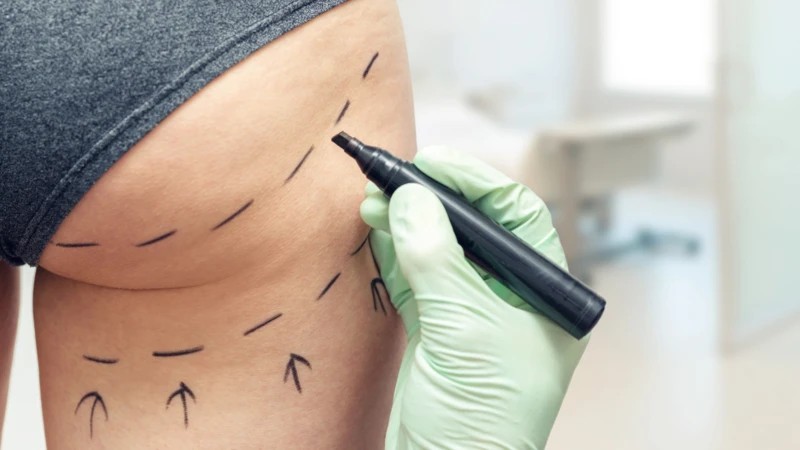
The non-surgical Brazilian butt lift (BBL) procedure has led to a fatality in the UK, highlighting significant dangers within the rapidly expanding cosmetic injectables market. Alice Webb, 33, died in September 2024 less than 24 hours after undergoing a non-surgical BBL at a temporary clinic in a rented beauty salon. An inquest is scheduled to determine the cause of her death, which marks the first known fatality in the UK from such a procedure. This incident has intensified scrutiny on the cosmetic industry, where injectables are increasingly offered in makeshift settings like beauty salons, rented offices, and hotel rooms. Investigations have uncovered practitioners administering large volumes of fillers in improvised spaces, offering prescription drugs without proper consultation, and selling slimming injections via social media. Numerous women have reported severe pain, infections, and hospitalizations following advertised as low-risk treatments. Save Face, a UK accreditation body for aesthetic practitioners, has documented severe cases, including loss of eyelid function and intestinal perforation from liposuction. The UK's cosmetic injectables sector is among the least regulated in Europe, allowing virtually anyone to administer dermal fillers. Both the Scottish and English governments have pledged to strengthen regulations, but questions remain about the effectiveness of these measures, especially after a decade of warnings from experts about a looming crisis. The trend, popularized by celebrities and reality TV, has shifted towards younger demographics and is often perceived as a routine beauty service rather than a medical procedure. This perception, coupled with convenience and price considerations, leads consumers to overlook practitioner credentials. A study by Alexander Zargaran found the number of Botox practitioners in the UK nearly sextupled from just over 3,500 in 2023 to nearly 20,000 in 2025, with a doubling of non-medical practitioners. The research also indicated a higher concentration of Botox procedures in poorer areas, where access to medically qualified professionals is lower.
The proliferation of non-surgical cosmetic procedures, particularly the Brazilian butt lift, in the UK reveals a critical regulatory gap. The shift from medical settings to informal locations like beauty salons and rented spaces, driven by market demand and social media influence, creates significant patient safety risks. While government promises of stricter regulation are a step forward, the core issue lies in the accessibility of powerful medical substances and procedures to individuals without adequate training or oversight. The data indicating a surge in practitioners, especially those without medical backgrounds, and the concentration of these services in less affluent areas, suggest a market dynamic where cost and convenience may override safety, potentially exacerbating health disparities. Future regulatory frameworks must address not only practitioner qualifications but also the marketing and accessibility of these treatments, ensuring that patient well-being remains paramount in this rapidly evolving, high-stakes industry.
AI-generated to prompt reflection — not editorial opinion, not advice, not a statement of fact. How this works.